

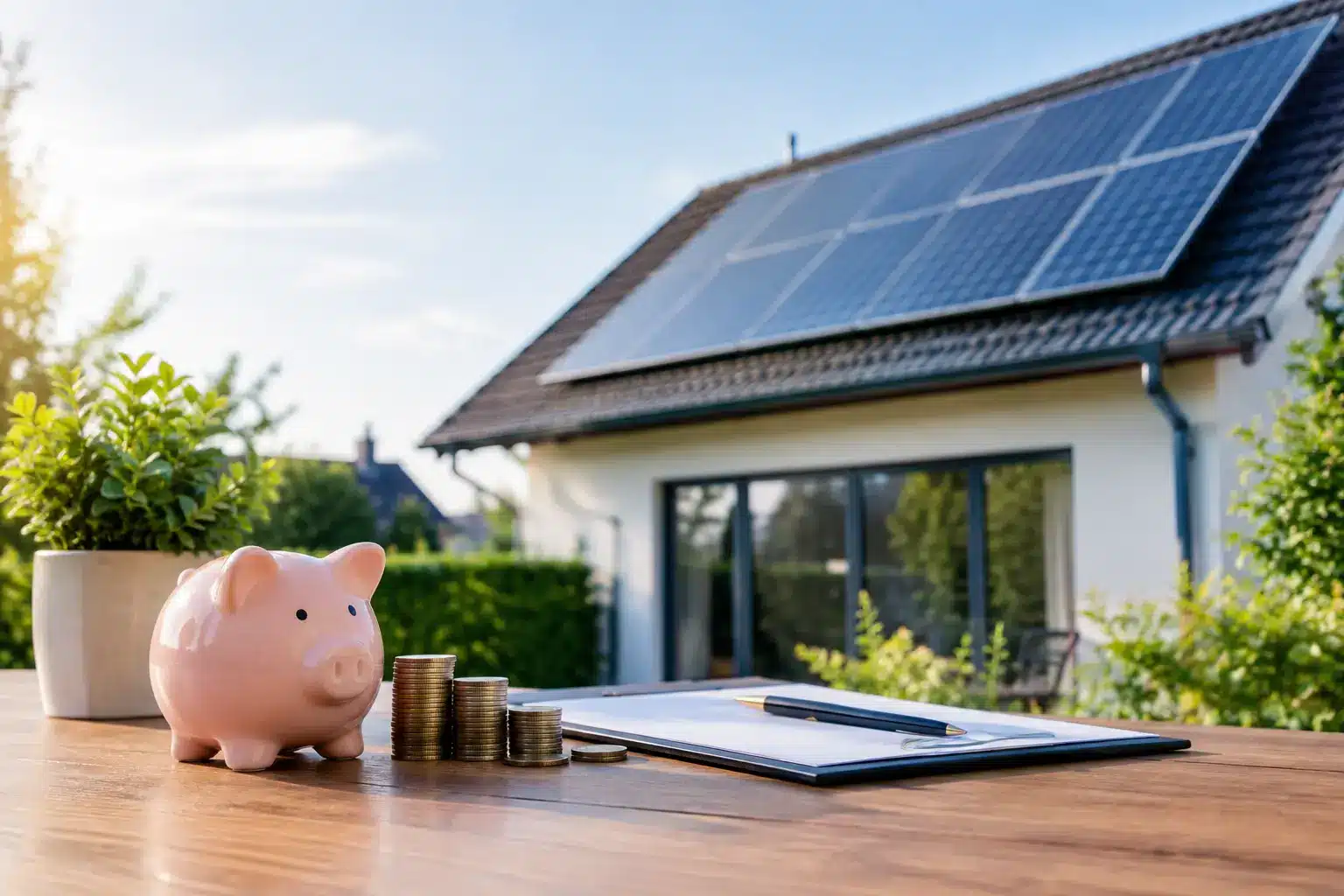
A solar quote can look attractive until the question of payment arrives. The top solar financing options are not simply about finding the lowest monthly figure. They determine the total cost of your system, whether you own it outright, and how quickly your savings begin to work for you. For homeowners and businesses, the right choice depends on available funds, borrowing costs, property plans and how much certainty you want from the outset.
A well-designed solar and battery system can reduce your reliance on grid electricity, but it should never put avoidable pressure on your budget. Start by comparing the whole package: system size, battery capacity, expected generation, warranties, installation standards and the finance terms behind the headline price.
Top solar financing options at a glance
For most UK property owners, there are five practical routes: paying in cash, using an unsecured home improvement loan, adding borrowing to a mortgage or remortgage, choosing installer-arranged finance, or using a lease or power purchase agreement. Businesses may also consider asset finance or a commercial loan.
Each route has a place. Cash usually delivers the strongest long-term return, while finance can make a suitable system achievable sooner. The key is to compare the total amount repayable, not just the monthly payment.
1. Paying cash for solar panels
Paying upfront avoids interest and gives you full ownership from day one. That means the electricity savings, Smart Export Guarantee payments for surplus electricity, and any increase in property appeal are directly yours.
Cash can be the best-value option if you have savings set aside and using them will not leave you without an emergency fund. It is also simpler when selling the property, as there is no finance agreement or third-party ownership arrangement to address.
The trade-off is obvious: solar is a significant upfront purchase. A good installer should provide a clear written breakdown of equipment, labour, scaffolding, electrical work, monitoring and any optional battery storage. Do not accept a vague all-in figure without understanding what it includes.
2. Unsecured personal loans
A personal loan spreads the cost over a fixed term, commonly between two and seven years. You own the system from installation, and your repayment is usually fixed, making it easier to budget.
This approach can suit households that expect solar savings to offset part of the monthly loan cost but prefer not to use all their savings at once. Your rate will depend on your credit profile, the loan size and the lender. A representative rate shown in advertising is not necessarily the rate you will be offered.
Before proceeding, compare the annual percentage rate, any arrangement fee, early repayment rules and the total amount repayable. A longer term can lower monthly payments, but it generally increases the interest paid overall. Check whether you can make overpayments without a penalty if your circumstances improve.
3. Installer-arranged solar finance
Some installers offer finance through a specialist lender. This can be convenient because you can arrange the installation and payment plan in one process, and some plans offer promotional rates or deferred payments.
Convenience should not replace comparison. Ask whether the installer receives commission from the lender, whether the agreement is regulated, and whether alternative terms are available. Read the agreement carefully before signing, especially where a low monthly price is paired with a long repayment period.
There is nothing inherently wrong with installer finance. It can be a sensible route when the provider is transparent and the cost is competitive. However, the installation quote and the finance agreement should be assessed separately. A cheaper finance rate does not make an overpriced solar system good value.
4. Mortgage or remortgage borrowing
Some homeowners fund larger energy improvements through a remortgage, further advance or green mortgage product. Mortgage borrowing may offer a lower interest rate than an unsecured loan, particularly for a substantial project combining solar panels, battery storage, insulation or a heat pump.
The drawback is the repayment period. Putting the cost of solar onto a 20 or 25-year mortgage can make the monthly increase look modest while adding considerable interest over time. If you use this route, ask whether you can overpay the solar-related amount sooner and whether fees for the mortgage product outweigh the potential rate saving.
This option deserves particular care if you expect to move house soon. Solar panels are generally a positive feature when properly installed and documented, but you will want handover paperwork, warranties and MCS certification in order.
5. Solar leases and power purchase agreements
With a solar lease or power purchase agreement, another company may own the panels while you pay a regular charge or buy the electricity they generate at an agreed rate. These arrangements can reduce or remove the upfront cost, but they are less common in the domestic UK market than direct ownership and loans.
They can work for certain commercial sites or organisations seeking predictable energy costs without capital expenditure. Yet the contract matters greatly. Review the price escalation clause, contract length, maintenance responsibilities, export income, roof access rights and what happens if you sell the property or need roof repairs.
For many homeowners, owning the system is simpler and offers stronger long-term value. A lease is worth considering only if the terms are clear, the provider is established and the savings compare favourably with owning a system through another route.
Finance for commercial solar projects
Businesses have additional choices, including hire purchase, equipment leasing, asset finance and business loans. These options can preserve working capital while allowing the company to use lower-cost on-site electricity.
The right structure depends on cash flow, corporation tax position, accounting treatment and the length of time you expect to occupy the premises. A business with a high daytime electricity demand may see a different return from a warehouse that is quiet during working hours. For that reason, commercial proposals should model consumption patterns rather than rely on broad savings claims.
Ask for a generation estimate, a self-consumption estimate and a clear explanation of assumptions. If battery storage is included, the proposal should show how it is expected to earn its place, whether through storing solar generation, reducing peak imports, or both.
What to check before choosing a payment route
Finance should follow a sound installation design, not drive it. First, make sure the proposed system is appropriate for your roof, electricity use and future plans, such as adding an electric vehicle charger or heat pump. A larger system is not automatically better if much of its generation will be exported at a lower rate than the electricity you buy.
Then compare like for like. Two quotes with the same panel count may differ in panel output, inverter quality, battery usable capacity, warranties and workmanship. Check that the installer is MCS-accredited where certification is required for export payments, and confirm who will handle grid notification and commissioning.
You should also ask these questions before committing:
- What is the cash price, and what is the total amount repayable on finance?
- Is the deposit protected, and when are stage payments due?
- Are there administration fees, settlement charges or conditions attached to the advertised rate?
- Who owns the equipment throughout the agreement?
- What happens if installation is delayed, the roof needs extra work, or you sell the property?
A trustworthy installer will welcome these questions. Be cautious if you are pressured to sign on the day, told a discount will disappear within hours, or given savings figures without seeing the assumptions behind them.
Make finance part of a better solar decision
Solar finance is most effective when it is paired with a realistic system design and a competitive quote. For homeowners in Cardiff, Newport, Swansea, Bristol and surrounding areas, comparing several MCS-accredited local installers can make the differences in equipment, guarantees and payment choices much easier to see.
Solar Planet helps remove some of the legwork by connecting customers with vetted installers for no-obligation quotes. Use those conversations to compare the system itself first, then choose the funding route that keeps the monthly cost comfortable without sacrificing long-term value. The best payment plan is the one that lets you invest in reliable renewable energy with clarity and confidence.

