I. Introduction
Renewable energy and energy storage are becoming increasingly important as we strive towards a more sustainable future. Battery storage is a key component of this effort, allowing us to capture and store energy generated from renewable sources like solar and wind. But did you know that battery storage can also save you money?
In this blog post, we’ll explore how battery storage can help you reduce your energy bills and save money. We’ll start by explaining how battery storage works and why it’s advantageous over traditional energy sources. We’ll then dive into specific ways that battery storage can help you save money, including reducing peak demand charges, taking advantage of time-of-use rates, and providing backup power during outages.
By the end of this post, you’ll have a better understanding of how battery storage can benefit both the environment and your wallet. Whether you’re a homeowner, business owner, or simply someone interested in renewable energy, this information can help you make informed decisions about your energy needs and potentially save you money in the process. So let’s get started!

II. How Battery Storage Works
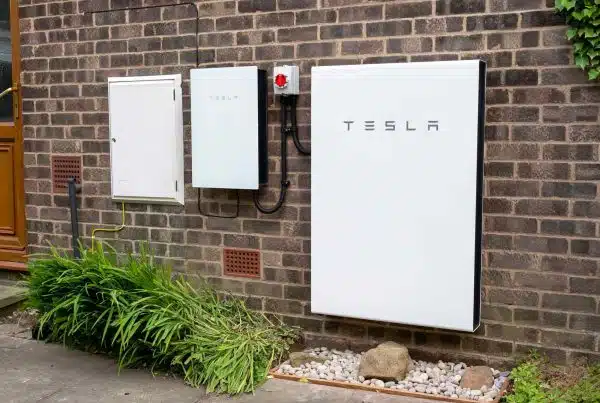
Battery storage systems are designed to store energy generated from renewable sources like solar or wind power. The basic idea is to capture excess energy when it’s being produced and store it in batteries for use when it’s needed later. By storing energy, battery storage systems allow you to reduce your reliance on the grid and take advantage of renewable energy when it’s available.
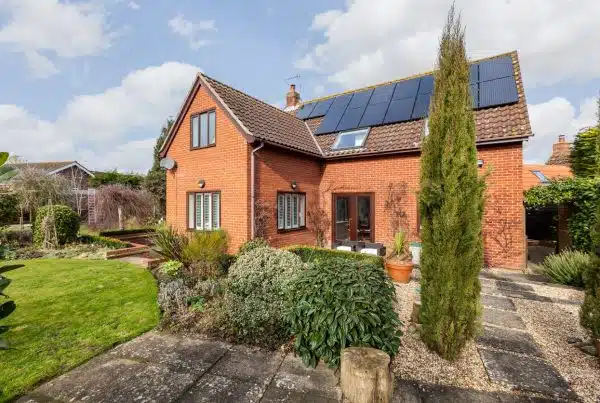
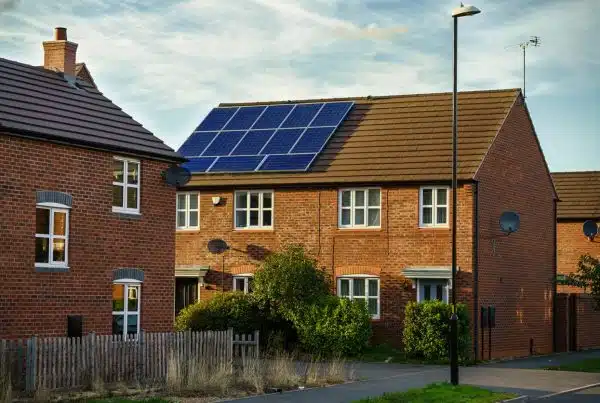
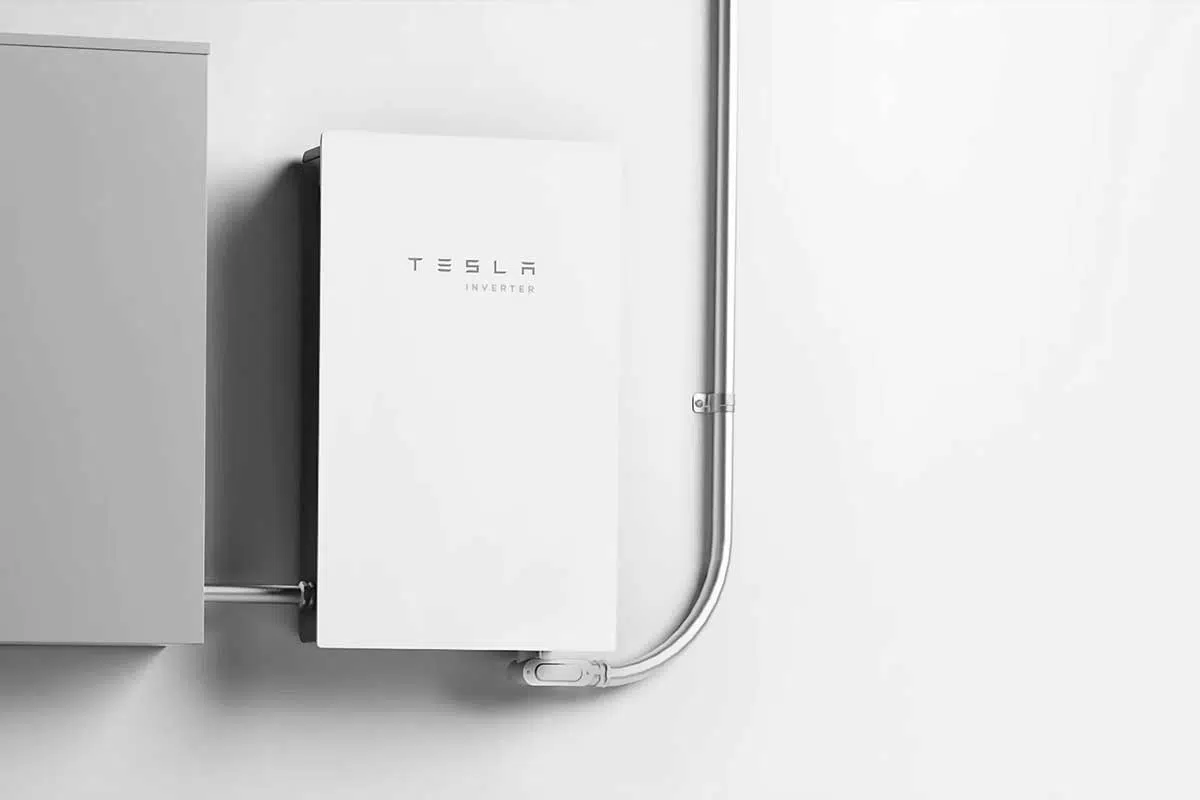
The way battery storage works is fairly simple. When your solar panels or wind turbine generate energy, it is sent to an inverter that converts it from DC power to AC power, which is what your home or business uses. If you’re generating more energy than you’re using, the excess energy is sent to a battery storage system instead of being sent back to the grid. The battery system then stores the energy until it’s needed later, such as during periods of high energy use or when the sun isn’t shining or the wind isn’t blowing.
When you need energy, the battery storage system sends the stored energy back to the inverter, which converts it back to AC power for use in your home or business. This allows you to use renewable energy even when it’s not being generated, reducing your reliance on traditional energy sources like fossil fuels.
One advantage of battery storage over traditional energy sources is that it’s much more flexible. With traditional energy sources, you have to generate and use energy at the same time. But with battery storage, you can generate energy when it’s available and use it when it’s needed, providing a more reliable and efficient source of energy. Additionally, battery storage can help you reduce your energy bills by allowing you to take advantage of time-of-use rates and avoid peak demand charges, which we’ll explore further in the next section.
III. Reducing Peak Demand Charges
Many utility companies charge peak demand charges to customers who use a lot of energy during times of high demand. This can be a significant expense for businesses that use a lot of energy during peak hours. However, battery storage can help reduce these charges by allowing businesses to draw energy from the batteries during peak hours instead of from the grid. Here’s how it works: during times of low demand, your battery storage system can charge up with excess energy from your solar panels or wind turbine. Then, during times of high demand, when electricity rates are typically higher, you can use the stored energy instead of drawing from the grid. This can help you avoid peak demand charges and lower your overall energy costs. Battery storage can also help you avoid demand charges by providing what’s known as “peak shaving.” This involves reducing your energy consumption during peak hours by using stored energy from your battery system instead of drawing from the grid. By reducing your energy consumption during peak hours, you can lower your overall demand and avoid peak demand charges. Overall, battery storage can be an effective way to reduce peak demand charges and lower your energy bills. If you’re a business owner or have a high energy demand during peak hours, investing in a battery storage system could help you save a significant amount of money over time.

IV. Time-of-Use Rates
Many utility companies offer time-of-use (TOU) rates, which charge different rates for energy depending on the time of day. Typically, energy rates are higher during peak hours, when demand is high, and lower during off-peak hours when demand is low. Battery storage can help you take advantage of these rates by storing energy during off-peak hours and using it during peak hours.
By using stored energy during peak hours, you can avoid paying higher rates for energy. This can help you save money on energy bills and reduce overall energy costs. Additionally, battery storage systems can help you maximize your energy savings by automatically charging and discharging during specific times of the day based on the TOU rates.
For example, let’s say your utility company charges higher rates for energy during the afternoon and evening when demand is high. With a battery storage system, you could charge your batteries during the morning, when energy rates are lower, and use the stored energy during the afternoon and evening, when rates are higher. This can help you avoid paying higher rates and lower your overall energy costs.
Overall, battery storage can be a great way to take advantage of time-of-use rates and reduce energy bills. By storing energy during off-peak hours and using it during peak hours, you can avoid paying higher rates for energy and lower your overall energy costs.
V. Backup Power
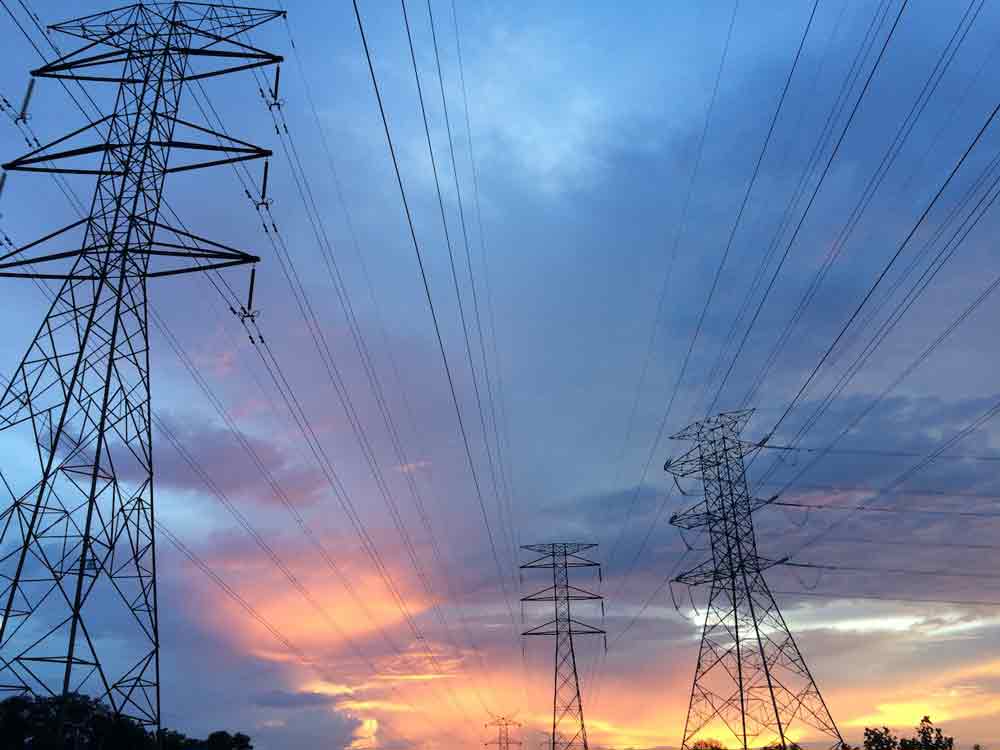
One of the most useful features of battery storage systems is their ability to provide backup power during outages. In the event of a power outage, a battery storage system can keep your lights on and your appliances running, allowing you to maintain some level of normalcy during a blackout. This is especially important for homes and businesses in areas that are prone to power outages, whether due to weather events, natural disasters, or other factors.
Battery storage systems can also be useful for providing backup power during peak demand periods when the grid is experiencing strain. This can help prevent blackouts or brownouts and provide more reliable energy to your home or business.
Overall, battery storage systems can be an essential component of any emergency preparedness plan. By providing backup power during outages and peak demand periods, they can help you maintain a sense of normalcy and ensure that you have access to critical resources like lighting, heating, and refrigeration. Additionally, battery storage systems can be a valuable investment for businesses that rely on uninterrupted power to operate, as they can help prevent costly downtime and revenue losses.
VI. Conclusion
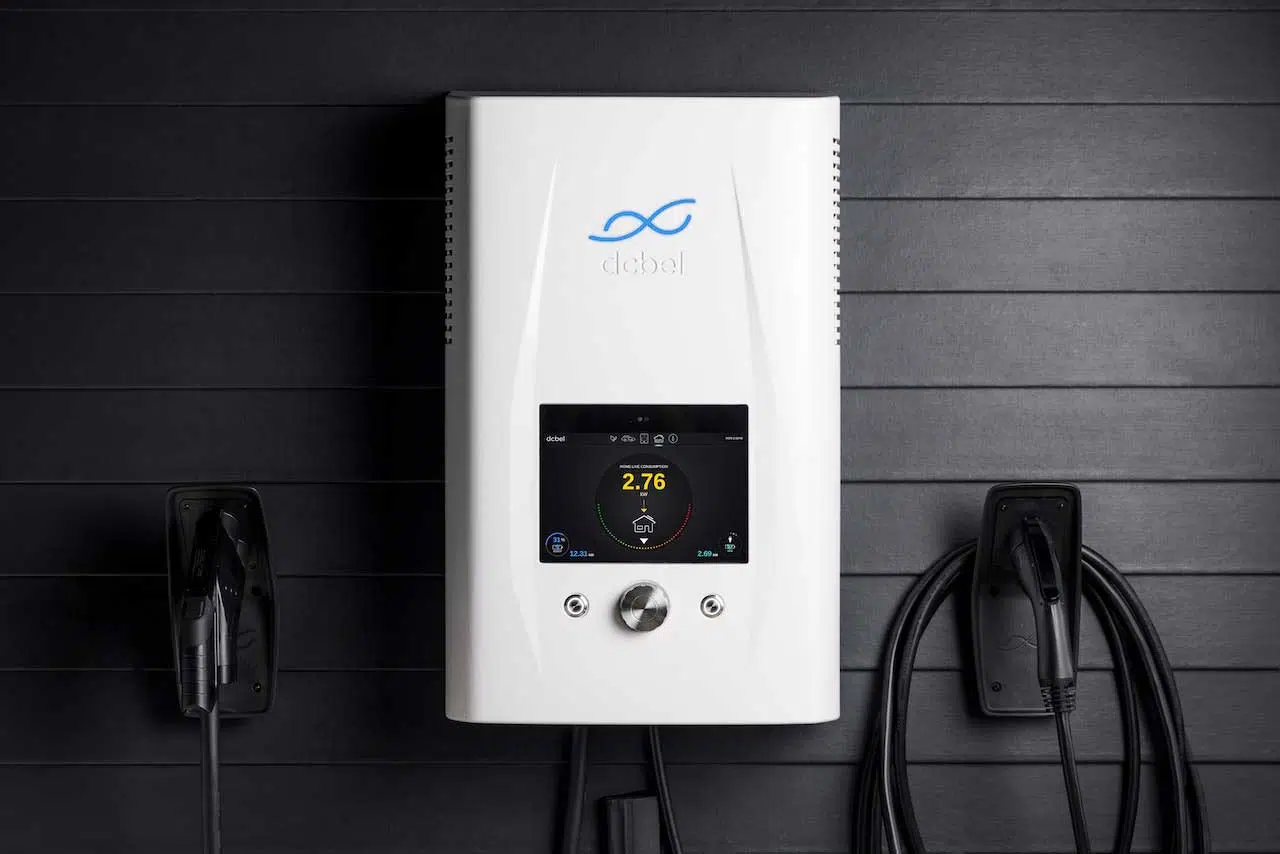
In conclusion, battery storage systems can offer a range of benefits to homeowners, businesses, and communities. From reducing peak demand charges and taking advantage of time-of-use rates to providing backup power during outages, battery storage systems can help you save money on your energy bills and increase your energy resilience.
As the cost of battery storage systems continues to decrease and technology continues to improve, we can expect to see more and more homes and businesses investing in this technology. Not only can it help reduce our reliance on fossil fuels and decrease our carbon footprint, but it can also provide valuable energy security and savings.
Whether you’re a homeowner looking to reduce your energy bills or a business owner looking to increase your energy resilience, a battery storage system could be a valuable investment. With the right system in place, you can take control of your energy usage and reduce your dependence on the grid, all while enjoying the benefits of reliable, cost-effective power.