What’s on this page?
I.Introduction
II. Are solar panels worth it in Wales?
III. How much do solar panels cost on average in the UK?
IV. How do solar panels work?
V. What is the payback period for solar panels?
VI. What are the benefits of solar panels?
VII. Can I sell excess energy back to the grid?
VIII. Do I need planning permission to install solar panels?
IX. What is the lifespan of solar panels?
X. Are solar panels suitable for all types of roofs?
XI. How do I maintain my solar panels?
XII. Conclusion
I. Introduction
In this guide, we will answer some of the most frequently asked questions about solar panels and provide you with valuable information that will help you make an informed decision about whether solar panels are right for you. We’ll cover topics such as how solar panels work, the payback period for solar panels, how many panels you need, the benefits of solar panels, selling excess energy back to the grid, planning permission requirements, the lifespan of solar panels, whether solar panels are suitable for all types of roofs, and how to maintain your solar panels. By the end of this guide, you’ll have a better understanding of solar panels and be well-equipped to decide if they’re right for your home or business.
II. Are solar panels worth it in Wales?
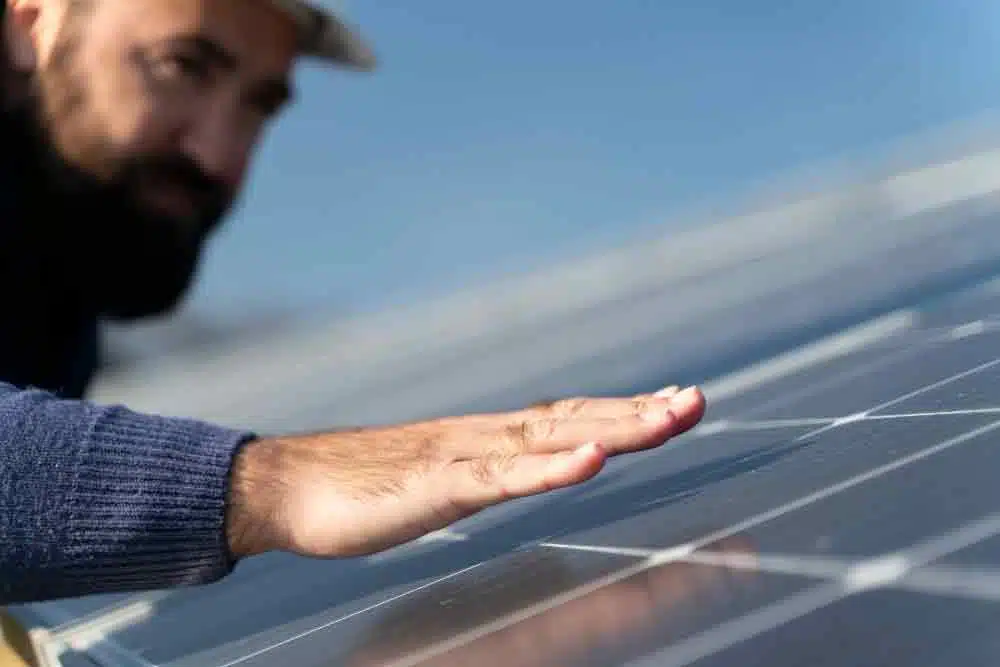
Solar panels can be a great investment in Wales, despite its reputation for being cloudy and rainy. While Wales may not receive as much sunlight as some other parts of the UK, it still receives enough to make solar energy a viable option. In fact, according to the UK government, a typical 4kW solar panel system in Wales can generate around 3,400 kWh of electricity per year, which is enough to power a household’s lighting and appliances. Additionally, solar panel owners in Wales can take advantage of government incentives and subsidies, such as the Smart Export Guarantee (SEG) scheme, which pays households for any excess electricity they generate and exports back to the grid. Overall, while the weather may not always be ideal, solar panels can still be a smart and worthwhile investment for homeowners in Wales looking to reduce their carbon footprint and energy bills.
III. How much do solar panels cost on average in the UK?
The cost of solar panels in the UK can vary depending on a number of factors, such as the size of the system and the brand of the panels. On average, however, a typical 4kW solar panel system in the UK can cost between £5,000 to £8,000, including installation. It’s worth noting that while the initial cost may seem high, solar panels are a long-term investment that can save homeowners money on their energy bills in the long run. Additionally, there are various government incentives and financing options available to help make solar panel installations more affordable. For example, the Green Homes Grant offers vouchers of up to £5,000 towards the cost of home improvements, including solar panel installations. Overall, while the cost of solar panels in the UK can be significant upfront, the benefits of reduced energy bills and a smaller carbon footprint make it a smart investment for homeowners.
IV. How do solar panels work?
Solar panels are a form of technology that harnesses the power of the sun to create electricity. Solar panels are made up of photovoltaic (PV) cells that are connected together to form a panel. When sunlight hits the PV cells, it is absorbed and converted into direct current (DC) electricity.
The DC electricity produced by the PV cells is then sent to an inverter, which converts it into alternating current (AC) electricity that can be used in homes and businesses. This AC electricity is then sent to the electrical panel, where it is distributed throughout the building.
Solar panels work best when they are installed in areas that receive a lot of sunlight. The panels can still generate electricity on cloudy days, but the amount of electricity produced will be lower than on sunny days.
Overall, solar panels are an efficient and effective way to generate clean, renewable energy from the sun. They are becoming increasingly popular as people look for ways to reduce their carbon footprint and save money on their energy bills.
V. What is the payback period for solar panels?
The payback period for solar panels refers to the amount of time it takes for the savings on your energy bills to equal the cost of installing the solar panels. The payback period can vary depending on a number of factors, including the cost of the solar panels, the amount of electricity you use, and the amount of sunlight your area receives.
On average, the payback period for solar panels in the UK is between 4 to 10 years. However, this can vary depending on a number of factors such as the size of your solar panel system, the quality of the solar panels, and your electricity usage habits.
It’s important to note that once you have reached the payback period, the savings on your energy bills can be significant. In fact, many homeowners and businesses can save thousands of pounds over the lifetime of their solar panel system.
It’s also worth noting that solar panels can increase the value of your property, making them a worthwhile investment even if the payback period takes longer than anticipated. Additionally, government incentives such as the Smart Export Guarantee (SEG) can help to reduce the payback period and increase the financial benefits of solar panel installation.
VI. What are the benefits of solar panels?
Solar panels have a wide range of benefits, making them an increasingly popular choice for homeowners and businesses. One of the most significant benefits of solar panels is the ability to generate clean and renewable energy, reducing reliance on fossil fuels and helping to combat climate change. In addition, solar panels can help save money on electricity bills by providing a source of free energy from the sun.
Another benefit of solar panels is their long lifespan, with many panels lasting up to 25 years or more with proper maintenance. This can provide a significant return on investment, as the cost of installation is offset by long-term savings on energy bills. Additionally, solar panels can increase the value of a property, making them an attractive option for those looking to sell their home in the future.
Solar panels also offer energy independence, allowing homeowners and businesses to generate their electricity rather than relying on the grid. This can be particularly useful during power outages or emergencies when the grid may be down. Furthermore, solar panels require very little maintenance, making them a hassle-free investment.
Finally, solar panels can have a positive impact on the environment, reducing carbon emissions and other harmful pollutants associated with traditional forms of electricity generation. This makes them an excellent choice for those looking to reduce their carbon footprint and promote sustainability.
VII. Can I sell excess energy back to the grid?
Yes, in the UK, you can sell excess energy back to the grid through a scheme called the Smart Export Guarantee (SEG). This scheme requires energy suppliers with over 150,000 customers to offer payment to households and businesses for the excess renewable electricity they export back to the grid. The rate at which you will be paid for your excess energy will depend on your energy supplier and the size of your solar panel system.
Selling excess energy back to the grid can be a great way to offset the initial cost of installing solar panels and can provide a source of passive income for households and businesses. It also helps to promote the transition towards a more sustainable energy future and reduces reliance on fossil fuels. However, it’s important to note that the amount of excess energy you can sell back to the grid may be limited by the size of your solar panel system and the amount of energy you consume in your household or business.
VIII. Do I need planning permission to install solar panels?
In most cases, you do not need planning permission to install solar panels on your property. However, there are some exceptions. If your property is a listed building or is located within a conservation area, you may need to obtain planning permission before installing solar panels. Similarly, if your property is subject to certain building regulations, such as those for flat roofs or roof terraces, you may need to obtain planning permission.
It is always best to check with your local planning authority to determine whether planning permission is required. In most cases, the process is relatively straightforward and can be completed online or by filling out a simple application form. The planning authority will consider various factors when assessing your application, including the size, design and location of your solar panels.
It is worth noting that even if planning permission is not required, you may still need to comply with other regulations, such as those related to electrical safety and building standards. It is always best to work with a reputable solar panel installation company that can advise you on these matters and ensure that your installation is safe, compliant and efficient.
IX. What is the lifespan of solar panels?
The lifespan of solar panels is an important factor to consider when investing in solar energy. Most solar panels have a lifespan of 25 to 30 years, but this can vary depending on the quality of the panels and the manufacturer. It’s important to choose a reputable manufacturer with a proven track record for producing high-quality panels that can withstand harsh weather conditions and last for decades.
Proper installation, maintenance, and care can also extend the lifespan of solar panels. Regular cleaning and inspection can help identify any issues early on and prevent potential problems from worsening. In addition, monitoring the performance of your solar panels and addressing any issues promptly can help ensure they are operating at optimal efficiency and maximizing their lifespan.
It’s worth noting that even after the end of their lifespan, solar panels can still produce energy, although their efficiency may decrease over time. Many manufacturers offer recycling programs to properly dispose of old solar panels and reuse their materials, making them a sustainable choice for energy production.
X. Are solar panels suitable for all types of roofs?
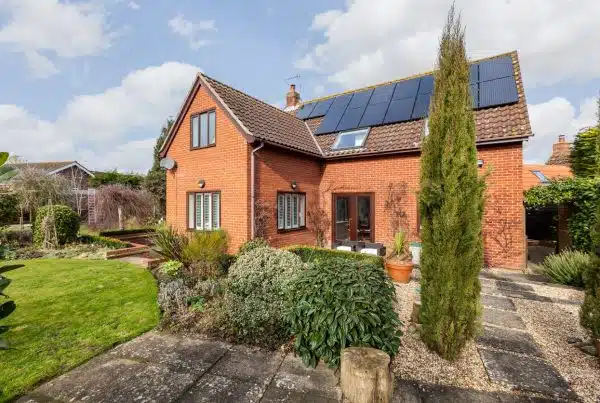
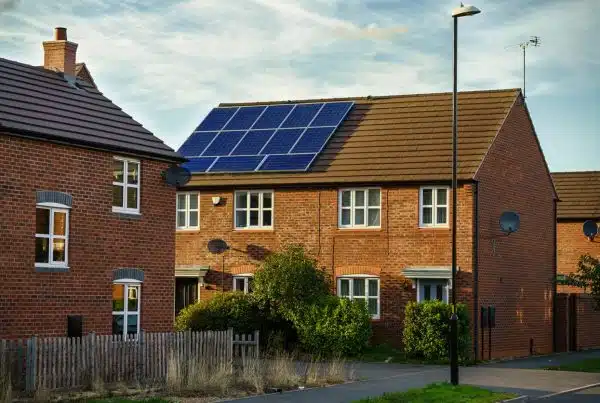
Solar panels can be installed on a variety of roof types, including flat, sloped, tiled, and metal roofs. However, not all roofs are suitable for solar panel installation. The suitability of a roof depends on a few factors such as the direction the roof faces, its angle of slope, and the amount of shading on the roof.
Ideally, solar panels should be installed on a south-facing roof with a pitch angle of between 30 and 40 degrees, which maximizes their exposure to sunlight. East and west-facing roofs can also be used, but their energy output may be lower than a south-facing roof.
It’s also important to ensure that the roof is structurally sound and can support the weight of the solar panels. An engineer or a qualified installer can perform a structural assessment to determine the suitability of a roof for solar panel installation.
Overall, while solar panels may not be suitable for every type of roof, there are many options available for homeowners to take advantage of solar energy and reduce their carbon footprint.
XI. How do I maintain my solar panels?
Maintaining your solar panels is an important step in ensuring their longevity and optimal performance. Fortunately, it’s relatively easy to maintain them. The first step is to keep the panels clean, which means removing any debris or dirt that has accumulated on them. You can do this with a soft brush or a hose.
Additionally, you should regularly check the panels for any damage or defects, such as cracks or discolouration. If you notice any issues, you should contact a professional to have them repaired or replaced.
It’s also important to regularly check the connections between the panels, as well as the wiring and inverters. This ensures that the entire system is functioning properly and that there are no issues that could impact performance.
Finally, it’s recommended to have a professional inspection of your solar panel system every few years. This can identify any potential problems before they become major issues and can help to extend the life of your system. Overall, maintaining your solar panels is a relatively simple process that can pay dividends in terms of energy savings and performance.
XII. Conclusion
In conclusion, solar panels are a great investment for anyone looking to save money on energy bills, reduce their carbon footprint, and increase the value of their property. While the cost of installation can vary depending on various factors such as the size of your home, your location and your energy needs, the payback period for solar panels is typically between 5 to 10 years. The benefits of solar panels include cost savings, environmental benefits, energy independence, increased property value, low maintenance, government incentives and rebates, job creation and economic growth, energy efficiency, reliability, and social responsibility.
It’s important to note that the number of solar panels needed for your home will depend on various factors, including your energy needs and the size of your roof. It’s also important to ensure that your roof is suitable for solar panels and that you comply with any necessary planning permissions. Once installed, solar panels require minimal maintenance, such as regular cleaning to ensure maximum efficiency and lifespan.
If you’re interested in getting solar panels, it’s recommended that you consult with a solar panel installation expert to determine the best options for your home and budget. Overall, the benefits of solar panels are undeniable, and investing in them can help you save money and contribute to a more sustainable future.