What’s on this page?
I.Introduction
II. Understanding Solar Energy
III. Solar Energy in Wales: Current Scenario
IV. Advantages of Solar Panels in Wales
V. Challenges and Solutions
VI. Success Stories: Solar Panels Initiatives in Wales
VII. Future Prospects and Policy Recommendations
VIII. Conclusion
I. Introduction
In today’s rapidly changing world, the need for sustainable energy sources has never been more crucial. Solar energy, derived from the sun, offers a clean and renewable solution to meet our growing energy demands. One region that shows immense potential for solar power generation is Wales. With its abundant natural resources and commitment to environmental preservation, Wales is poised to become a frontrunner in adopting solar panels as a significant source of energy.
Solar panels, also known as photovoltaic (PV) panels, are devices that convert sunlight into electricity. They work by capturing the sun’s rays and converting them into usable energy. Unlike fossil fuels, solar energy does not produce harmful emissions, making it a vital part of the global effort to combat climate change. By harnessing the power of the sun, Wales can reduce its dependence on non-renewable energy sources and significantly reduce its carbon footprint.
Wales, with its diverse landscape and unique weather patterns, presents an ideal environment for solar panel installation. While it may not have the same sun-soaked reputation as some other countries, Wales receives ample sunlight throughout the year to generate a significant amount of solar energy. Even on cloudy or overcast days, solar panels can still generate electricity, albeit at slightly reduced efficiency. With advancements in technology and increased panel efficiency, Wales can make the most of its solar resources and contribute to a greener future.
As the demand for renewable energy grows, it is essential to understand the current state of solar energy in Wales. While solar power still accounts for a relatively small portion of the energy mix in the country, its potential is immense. Wales has made significant progress in recent years, with an increasing number of solar installations across residential, commercial, and utility-scale projects. By examining the current scenario and exploring the advantages of solar panels, we can gain a better understanding of their role in Wales’ energy transition.

II. Understanding Solar Energy
Solar energy is a renewable and abundant source of power that harnesses the radiant energy emitted by the sun. The process of converting sunlight into electricity begins with solar panels, which are made up of photovoltaic (PV) cells. These cells contain semiconductors, such as silicon, that absorb photons from the sun’s rays.
When sunlight hits the PV cells, the absorbed photons create an electric field across the layers of the cell. This electric field generates an electric current that can be captured and used as electricity. The more sunlight that strikes the solar panels, the greater the amount of electricity produced.
One of the significant advantages of solar energy is its environmental friendliness. Unlike fossil fuels, solar power does not produce greenhouse gas emissions or contribute to air pollution. By harnessing the power of the sun, we can reduce our reliance on finite resources and mitigate the harmful effects of climate change.
Solar energy also offers decentralization and energy independence. Unlike traditional energy sources that require extensive infrastructure, solar panels can be installed on rooftops or open spaces, allowing for distributed generation. This decentralized approach empowers individuals and communities to produce their electricity, reducing dependence on the centralized power grid.
Moreover, solar energy systems require minimal maintenance. Once installed, solar panels typically have a lifespan of 25 to 30 years, requiring only occasional cleaning to remove dirt or debris. With no moving parts, solar panels operate silently and efficiently, converting sunlight into electricity without creating noise pollution.
As technology continues to advance, solar panels have become more efficient and affordable. Research and development have led to improvements in panel design, allowing for increased energy production even in low-light conditions. The decreasing costs of solar panels, coupled with various financial incentives and government schemes, have made solar energy an economically viable option for many households and businesses.
Understanding solar energy and its potential benefits is essential as we navigate the transition towards a sustainable future. By tapping into the power of the sun, we can reduce our reliance on fossil fuels, decrease carbon emissions, and pave the way for a cleaner and more resilient energy system.
III. Solar Panels in Wales: Current Scenario
The current energy mix in Wales primarily relies on non-renewable sources such as coal, natural gas, and nuclear power. While these sources have been historically dominant, there is a growing recognition of the need to transition to cleaner and more sustainable alternatives. Solar energy presents a promising solution, and Wales is gradually embracing its potential.
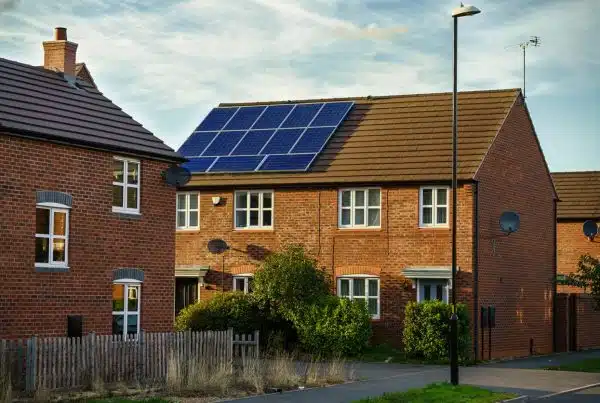
Despite its reputation for cloudy weather, Wales receives a considerable amount of sunlight throughout the year. The country’s latitude and coastal position provide ample opportunities for solar energy generation. As a result, the solar capacity in Wales has been steadily increasing over the years, with both residential and commercial installations contributing to the growth.
The impact of solar energy in Wales extends beyond environmental benefits. The installation of solar panels stimulates local economies by creating jobs in manufacturing, installation, and maintenance. Additionally, solar power helps reduce energy costs for households and businesses, providing long-term financial savings.
To support the growth of solar energy in Wales, the government has introduced various initiatives and incentives. These include feed-in tariffs, which allow individuals and organisations to sell excess solar energy back to the grid, and grant programs that help cover the upfront costs of solar panel installation. These policies aim to encourage more residents and businesses to invest in solar energy and accelerate the transition towards a greener energy sector.
However, challenges remain in the widespread adoption of solar panels in Wales. The intermittency of sunlight and its seasonal variations can impact the consistency of solar power generation. Additionally, the integration of solar energy into the existing grid infrastructure requires careful planning and investment in energy storage and grid management technologies.
Despite these challenges, the future of solar energy in Wales looks promising. The combination of favourable natural conditions, increasing affordability, and supportive government policies create an environment conducive to further growth. By harnessing the power of the sun, Wales can diversify its energy mix, reduce carbon emissions, and contribute to a sustainable and resilient future.
IV. Advantages of Solar Panels in Wales
The installation of solar panels in Wales offers numerous advantages, both at the individual and community levels. By embracing solar energy, residents and businesses can reap the following benefits:
Renewable and Clean Energy:
Solar panels harness the abundant sunlight in Wales, providing a renewable energy source that reduces reliance on non-renewable fossil fuels. Solar power generation produces no greenhouse gas emissions or air pollutants, contributing to improved air quality and mitigating the effects of climate change.
Cost Savings:
Installing solar panels can lead to significant long-term cost savings. By generating their electricity, households and businesses can reduce their dependence on the grid, lowering their energy bills. Additionally, feed-in tariffs and net metering schemes allow excess solar energy to be sold back to the grid, providing a potential source of income.
Energy Independence:
Solar panels offer energy independence by enabling self-sufficiency in electricity generation. With a solar energy system, individuals and communities can become less reliant on centralized power sources and vulnerable to price fluctuations. This decentralized approach enhances energy security and resilience, particularly during power outages or disruptions.
Long-Term Investment:
Solar panels have a lifespan of 25 to 30 years, making them a long-term investment with reliable returns. With proper maintenance, solar systems can continue to generate electricity and deliver cost savings for decades. Additionally, solar panel installations can increase property values, making them a valuable asset for homeowners and businesses.
Job Creation and Economic Growth:
The solar industry stimulates job creation and economic growth in Wales. Solar panel manufacturing, installation, and maintenance require a skilled workforce, providing employment opportunities for local communities. Moreover, supporting the growth of solar energy can attract investments and foster the development of a thriving renewable energy sector.
Environmental Impact:
Solar energy contributes to the reduction of greenhouse gas emissions, helping combat climate change and protect the environment. By transitioning to solar power, Wales can reduce its carbon footprint and make significant strides towards achieving its renewable energy targets. Solar installations also have a low impact on natural resources compared to other forms of energy generation.
Community Engagement and Empowerment:
Solar panels can facilitate community engagement and empower residents. Community solar projects allow individuals who cannot install panels on their properties to benefit from solar energy by participating in shared installations. These initiatives foster a sense of collective responsibility and enable wider access to renewable energy benefits.
By embracing solar panels, Wales can unlock a sustainable future characterised by clean energy, reduced costs, energy independence, and environmental stewardship. The advantages extend beyond individual benefits, contributing to the overall well-being and prosperity of communities throughout the country.
V. Challenges and Solutions
Implementing solar panels in Wales is not without its challenges. However, innovative solutions and advancements in technology are addressing these obstacles and paving the way for a successful transition to solar energy. Here are some of the key challenges and their corresponding solutions:
Weather Variability:
Wales is known for its variable weather, including cloudy and rainy days. While solar panels do rely on sunlight to generate electricity, they can still operate efficiently under less-than-optimal conditions. Advances in panel technology, such as improved efficiency and the ability to capture diffused sunlight, have minimized the impact of weather variability on solar power generation.
Grid Integration:
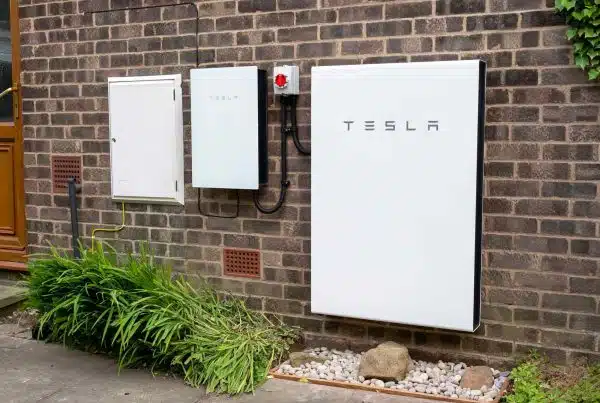
Integrating solar energy into the existing grid infrastructure requires careful planning to maintain stability and balance supply and demand. Energy storage solutions, such as batteries, can store excess solar power during peak production hours and release it during periods of low generation. Additionally, smart grid technologies enable better monitoring, control, and distribution of solar energy, ensuring smooth integration with the grid.
Cost and Financing:
While the cost of solar panels has significantly decreased over the years, upfront installation costs can still pose a barrier to adoption. However, various financing options, government incentives, and grant programs are available to support individuals and businesses in Wales. These initiatives help reduce the financial burden and make solar panel installations more accessible and affordable.
Public Awareness and Education:
Lack of awareness and misconceptions about solar energy can impede its widespread adoption. Educating the public about the benefits of solar power, dispelling myths, and providing accurate information is essential. Government campaigns, community workshops, and educational programs can play a crucial role in raising awareness and fostering public acceptance of solar energy.
Planning and Regulations:
Effective planning and streamlined regulations are necessary to facilitate the smooth integration of solar panels. Governments and local authorities can develop clear guidelines and streamlined processes for solar installations, ensuring compliance with safety and building standards. Encouraging collaboration between stakeholders, including solar installers, local communities, and policymakers, can help address any regulatory challenges.
Aesthetic Considerations:
Some individuals may be concerned about the visual impact of solar panels on the landscape, particularly in areas of natural beauty. Innovative design solutions, such as building-integrated photovoltaics (BIPV) and solar tiles, offer visually appealing alternatives to traditional rooftop solar panels. By integrating solar panels into building facades or using them as architectural elements, aesthetic concerns can be mitigated.
Overcoming these challenges requires a collaborative effort between policymakers, industry professionals, and the public. By investing in research and development, promoting supportive policies, and fostering public engagement, Wales can address the challenges associated with solar energy adoption and create an environment conducive to a sustainable and thriving solar industry. With continued advancements, Wales can unlock the full potential of solar energy and contribute significantly to its clean energy goals.
VI. Success Stories: Solar Panels Initiatives in Wales:
Wales has witnessed several inspiring success stories in the realm of solar energy, showcasing the potential and benefits of embracing this renewable resource. These initiatives have not only contributed to a greener energy sector but have also had a positive impact on local communities and the economy. Here are a few noteworthy solar initiatives in Wales:
The Solar Farm at Parc Stormy:
Located near Bridgend, Parc Stormy is home to one of the largest solar farms in Wales. With an installed capacity of 735kW, this solar farm generates clean energy equivalent to powering thousands of homes. The project has repurposed underutilised land and transformed it into a renewable energy hub. In addition to reducing carbon emissions, the solar farm has provided employment opportunities during the construction phase and continues to support local businesses through ongoing maintenance and operation.
Community Solar Projects:
Several community-led solar initiatives have sprung up across Wales, allowing residents to collectively invest in solar energy. These projects enable individuals who may not have suitable rooftops or financial means to install solar panels to benefit from clean energy. Community solar installations often involve shared ownership or cooperative models, where participants collectively invest in and maintain the solar panels. These projects not only promote renewable energy adoption but also foster a sense of community engagement and empower residents.
Solar-Powered Schools and Public Buildings:
Many schools and public buildings in Wales have embraced solar energy to reduce their environmental impact and educate students about renewable energy. Solar panels installed on rooftops generate electricity to power the facilities, reducing energy costs and providing a real-life example of sustainability in action. These solar-powered institutions serve as educational resources, raising awareness about the benefits of renewable energy and inspiring future generations to be environmentally conscious.
Solar in Social Housing:
Social housing providers in Wales have recognised the value of solar energy in reducing energy poverty and enhancing the well-being of residents. Several social housing projects have installed solar panels on their properties, providing tenants with clean and affordable electricity. By reducing energy bills, solar power has improved the financial stability of residents, allowing them to allocate resources to other essential needs. These initiatives have a positive social impact by helping vulnerable communities access renewable energy and fostering energy resilience.
These success stories illustrate the tangible benefits of solar initiatives in Wales. They demonstrate the potential of solar energy to transform underutilized spaces, engage communities, create job opportunities, and reduce carbon emissions. By showcasing the positive outcomes of these projects, Wales can inspire further adoption of solar panels and motivate other regions to follow suit. The collective efforts of these initiatives contribute to a sustainable and prosperous future for Wales and serve as examples for the wider global community.
VII. Future Prospects and Policy Recommendations
The future prospects for solar energy in Wales are promising, with the potential to further enhance the country’s renewable energy capacity and contribute to a sustainable future. To maximise these prospects, strategic policies and initiatives are needed. Here are some future prospects and policy recommendations for solar energy in Wales:
Increasing Solar Capacity:
Wales should continue to invest in expanding its solar capacity. This can be achieved through supportive policies that encourage the installation of solar panels in residential, commercial, and public sectors. To incentivize solar adoption, policymakers can introduce feed-in tariffs, tax incentives, and grants for solar installations. Setting ambitious targets for solar energy generation can drive investment and innovation in the sector.
Research and Development:
Investing in research and development (R&D) is crucial to advancing solar technologies and increasing their efficiency. Collaborations between academic institutions, industry players, and government agencies can drive innovation in photovoltaic technology, energy storage, and grid integration. R&D funding and support for startups and research initiatives can foster a culture of innovation and position Wales as a leader in solar energy technologies.
Energy Storage and Smart Grids:
To address the intermittent nature of solar power generation, Wales should prioritize the development and deployment of energy storage solutions. By investing in battery storage technologies, such as lithium-ion batteries, Wales can store excess solar energy during peak production hours and release it during periods of low generation. Additionally, integrating smart grid technologies can enable better management and distribution of solar energy, optimising its utilisation and ensuring grid stability.
Community Solar and Local Ownership:
Encouraging community solar projects and local ownership of solar installations can empower individuals and communities while fostering a sense of collective responsibility for renewable energy. Policymakers can facilitate community-led initiatives by providing financial support, streamlining regulations, and promoting cooperative models. By promoting community solar, Wales can expand access to solar energy benefits and strengthen social cohesion.
Skills and Training:
Investing in skills development and training programs is crucial to support the growing solar industry in Wales. By providing vocational training and certification programs for solar installers, technicians, and maintenance personnel, the workforce can meet the demand for skilled professionals in the sector. Collaborations between educational institutions, industry associations, and government bodies can facilitate the development of comprehensive training programs.
Public Awareness and Education:
Raising public awareness and educating the population about the benefits of solar energy is vital for its widespread adoption. Governments and local authorities can launch public awareness campaigns, workshops, and educational programs to inform individuals about the advantages of solar energy, dispel myths, and address concerns. By enhancing public understanding, Wales can encourage more residents and businesses to embrace solar energy and actively participate in the transition to renewable power.
By implementing these policy recommendations, Wales can unlock the full potential of solar energy, creating a sustainable and resilient energy system. The adoption of solar panels will not only contribute to Wales’ renewable energy targets but also drive economic growth, job creation, and a greener future for generations to come.
VIII. Conclusion
The journey towards a sustainable energy future in Wales is intricately linked to the adoption of solar panels. As we have explored throughout this blog, solar energy offers numerous advantages for individuals, communities, and the environment. By tapping into the power of the sun, Wales can reduce its dependence on non-renewable energy sources, lower carbon emissions, and create a cleaner and greener energy sector.
Despite challenges such as weather variability and grid integration, innovative solutions are emerging to overcome these obstacles. Advances in technology, such as improved panel efficiency and energy storage systems, are making solar power more reliable and efficient even in Wales’ unique climate. Supportive policies, financial incentives, and community-driven initiatives further bolster the growth of solar energy in the country.
The success stories of solar initiatives in Wales, from large-scale solar farms to community-led projects, exemplify the transformative potential of solar power. These endeavours not only generate clean electricity but also create jobs, stimulate local economies, and empower communities. By embracing solar panels, Wales is setting an example for sustainable development and reinforcing its commitment to environmental preservation.
Looking ahead, the prospects for solar energy in Wales are bright. With continued investment in solar capacity, research and development, energy storage, and smart grid technologies, Wales can maximise its solar energy potential. Policy recommendations focusing on community solar, skills development, and public awareness will pave the way for a sustainable and inclusive energy transition.
The journey towards a solar-powered Wales requires collaboration between government, industry, academia, and the public. By working together, we can accelerate the adoption of solar panels, unlock the economic and environmental benefits, and pave the way for a cleaner, greener, and more resilient Wales.
Embracing solar energy is not just a choice for today, but an investment in a sustainable future for generations to come. Let us harness the power of the sun and illuminate the path towards a brighter and more sustainable Wales.