

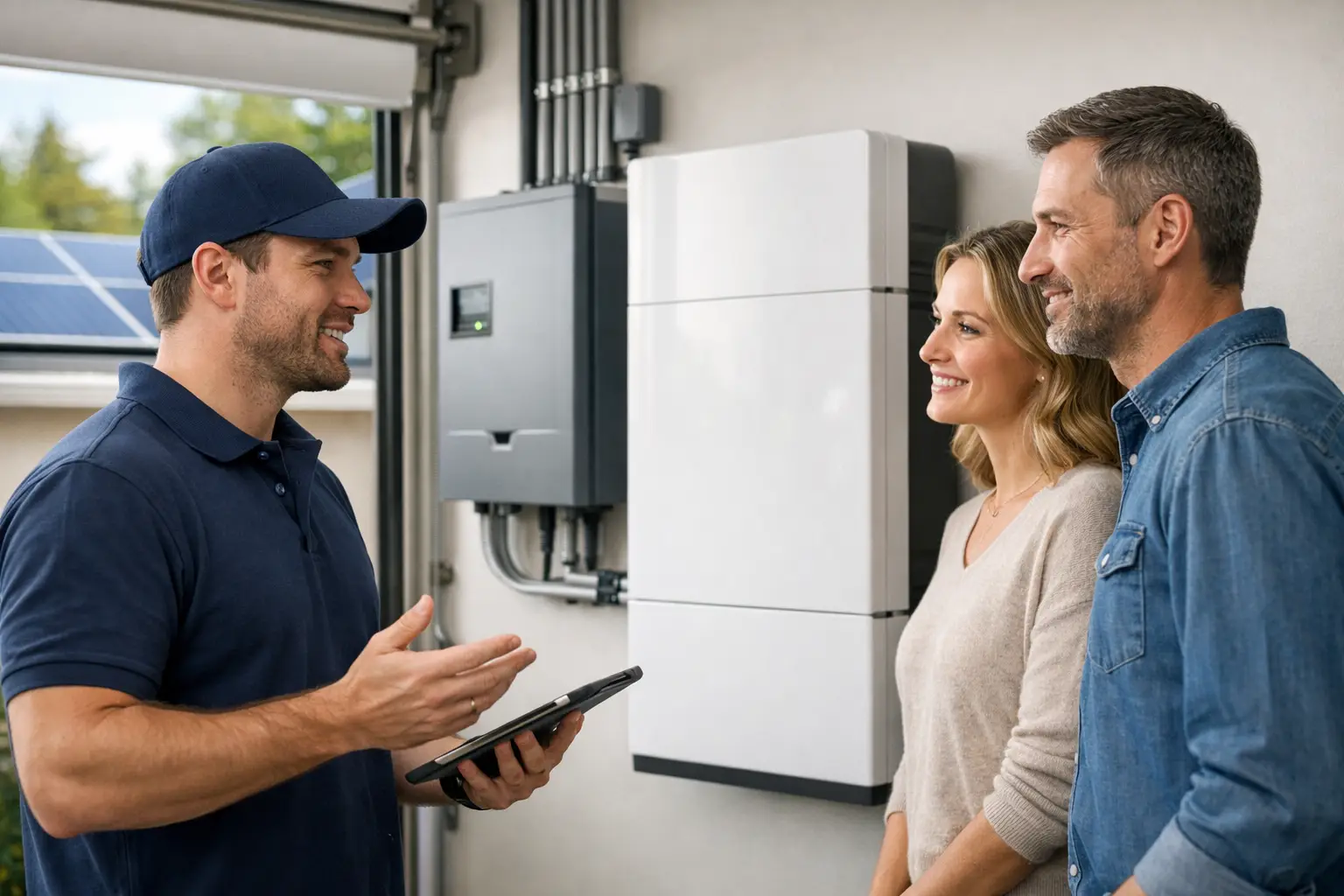
A battery quote can look excellent on paper and still lead to a poor outcome if the installation is rushed, badly configured or unsupported after the job is done. That is why choosing the right GivEnergy battery installer matters just as much as choosing the battery itself. For homeowners and businesses trying to cut electricity costs, store more solar power and gain better control over energy use, the installer is the difference between a system that performs properly and one that causes headaches.
GivEnergy has become a popular name in battery storage for good reason. Its systems are widely recognised in the UK market, and many property owners like the idea of pairing battery storage with solar panels, time-of-use tariffs and EV charging. But the product is only one part of the picture. A well-matched installer should assess your property properly, explain the setup in plain English and recommend a system based on how you actually use electricity – not simply sell the largest unit available.
Why your GivEnergy battery installer matters
Battery storage is not a one-size-fits-all purchase. Two homes on the same street can need very different setups depending on roof orientation, daily usage, whether anyone is home during the day, and whether the battery is being added to an existing solar system or installed as part of a new one.
A good installer will look beyond headline capacity. They should consider usable storage, inverter compatibility, expected charging behaviour, export arrangements and whether your current consumer unit or wiring needs upgrades. They should also be clear about where the battery can be installed safely and legally.
This is where many buyers get caught out. A cheaper quote may leave out electrical upgrades, monitoring setup or aftercare. A more expensive quote may include essential work that protects system performance and compliance. Price matters, but value matters more.
What to look for in a GivEnergy battery installer
The first thing to check is accreditation. For most customers, MCS-accredited installers should be the baseline, not an extra. It is one of the clearest signs that the company works to recognised standards, and it can matter for warranties, insurance expectations and eligibility tied to wider solar installations.
Experience also counts, but it helps to ask the right question. Rather than simply asking how long a company has traded, ask how many battery storage systems it has installed recently, whether it has specific experience with GivEnergy products and whether it regularly installs systems similar to yours. A firm that mostly fits solar panels but only occasionally installs batteries may not be as strong as one that handles battery storage every week.
Communication is another useful clue. If an installer cannot explain the difference between a straightforward battery add-on and a more tailored setup, that usually shows up later in the project as well. You want clear answers, realistic timescales and a willingness to talk through trade-offs.
Questions worth asking before you agree to anything
A reliable quote process should make it easy to ask practical questions. Start with the basics. Ask what battery size they recommend and why. Ask how much of your typical evening use the system is expected to cover. Ask whether the system is designed mainly to store surplus solar generation, charge from the grid at cheaper times, or do both.
Then move to installation details. Where will the battery and inverter go? Will any additional electrical work be needed? Is scaffolding required if solar panels are part of the project? How long will the installation take, and will there be any disruption to power?
Aftercare matters too. Ask who supports the system if something goes wrong. Some firms install the equipment and become difficult to reach afterwards. Others provide proper handover, app setup assistance and ongoing support if monitoring flags an issue.
Finally, ask about warranties in a practical way. It is not enough to hear that the battery comes with a long warranty. You need to know what is covered, what could affect that cover, and whether the installer stands behind their own workmanship separately from the manufacturer.
Comparing quotes without getting lost in the detail
Most people do not enjoy comparing renewable energy quotes, and that is fair enough. The documents can vary wildly in format, and not every installer presents information in the same level of detail. The easiest way to compare them is to focus on like-for-like points.
Check whether each quote includes the same battery capacity, inverter arrangement, installation labour, commissioning, monitoring and VAT position. Look for any mention of consumer unit upgrades, isolators, cabling runs or bird protection if solar is part of the same project. These items can make one quote appear higher when it is actually more complete.
It also helps to be wary of oversized recommendations. Bigger is not always better. If your overnight usage is modest, paying for more storage than you will regularly use may stretch the payback period. On the other hand, going too small can leave savings on the table, especially if you have a heat pump, an EV or heavy evening demand.
The best quote is usually the one that feels proportionate – properly specified, clearly explained and backed by an installer you trust to do the job well.
GivEnergy battery installer checks for existing solar systems
If you already have solar panels, adding battery storage can be a very sensible upgrade, but compatibility needs checking. Your installer should assess the age and type of your existing inverter, the generation profile of your solar array and whether the new battery setup will integrate neatly or require changes.
This is where experience makes a real difference. Retrofitting a battery to an older system can be straightforward, or it can involve extra design work. An installer should tell you that early, not halfway through the job. If they have reviewed your current setup properly, they should be able to explain what will stay, what may need replacing and why.
For customers in places such as Cardiff, Newport or Bristol, where housing stock can vary from modern estates to older terraces, installation practicalities can differ more than expected. Access, wall construction, meter position and cable routes can all affect the final design. A local installer who knows the area often spots these issues earlier.
Should you choose a local installer?
Often, yes. A local installer is not automatically better, but there are real benefits. Site surveys are usually easier to arrange, response times can be faster, and aftercare tends to feel more accessible when the company actually works in your area.
That matters if you want reassurance before committing, and it matters even more after installation if you need support. For many customers, the ideal route is not spending days researching firms one by one, but comparing a small number of vetted local options and seeing who offers the best fit.
That is where a matching service can save time. Instead of chasing multiple companies yourself, you can compare trusted installers already screened for quality and accreditation. For a lot of busy homeowners and commercial buyers, that removes a major barrier to getting started.
Red flags to avoid
If a company pushes for a deposit before carrying out a proper survey, be cautious. The same applies if the recommendation seems generic or based on very little information about your usage.
Another red flag is a quote that focuses entirely on savings without acknowledging variables. Battery performance depends on your tariff, daily habits, solar generation and system sizing. Honest installers talk about likely results, not guaranteed outcomes that sound too neat.
Poor paperwork is also worth noticing. If you struggle to understand what is included, what standards the installer works to or what support is available after installation, that uncertainty rarely improves later.
Making the process simpler
Choosing a GivEnergy battery installer does not need to feel like a gamble. The key is to focus on installer quality, not just product branding or headline price. The right company should make the process clearer at every stage – from survey and design through to installation and support.
If you are comparing options, aim for installers who are MCS-accredited, experienced with battery storage, transparent about system design and willing to explain recommendations in plain language. A quick, cheap quote is not much use if it leaves you with unanswered questions.
A well-installed battery system should give you more control over your electricity, better use of your solar generation and greater confidence in your energy setup. Start with the installer, ask the awkward questions early, and the rest of the decision usually becomes much easier.

