

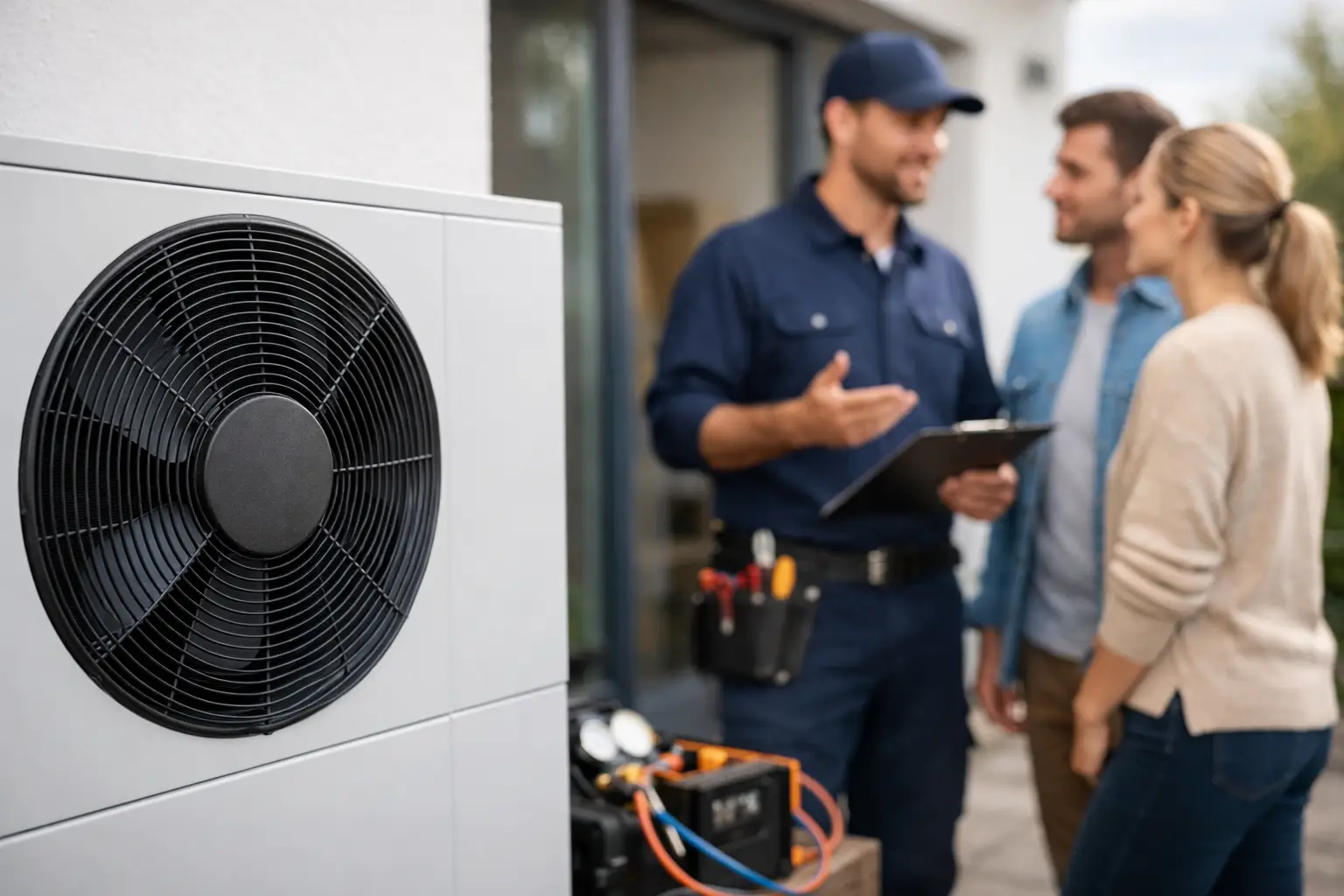
When people start looking for heat pump installers Swansea residents can rely on, they are usually trying to solve a practical problem – high heating bills, an ageing boiler, or a property that needs a cleaner, future-ready heating system. The challenge is not finding someone who says they can fit a heat pump. It is finding an installer who assesses the property properly, explains the numbers clearly, and installs a system that will perform well for years.
That distinction matters. A heat pump can be an excellent investment, but only when the design, sizing and installation are right. A rushed survey or a quote that looks cheap at first glance can cost far more later in poor efficiency, uneven heating and repeated call-outs.
Why choosing the right heat pump installer matters
A heat pump is not a like-for-like boiler swap. It heats homes differently, works best at lower flow temperatures, and depends heavily on good system design. That means the installer plays a bigger role in performance than many people expect.
A strong installer will look at insulation levels, radiator sizing, hot water demand and how heat moves around the building. They should also check whether pipework, controls and cylinder setup are suitable. If those basics are skipped, the system may still run, but it may not run efficiently.
For Swansea properties, local knowledge can help too. Housing stock varies from older terraces and coastal homes to newer builds and mixed-use commercial premises. A good installer understands that one approach will not suit every building.
Heat pump installers in Swansea: what good looks like
The best heat pump installers in Swansea are usually not the ones making the boldest promises. They are the ones asking the right questions. Before talking figures, they should want to understand the property, the current heating system and what you want from the upgrade.
MCS accreditation is one of the first things to check. It is a useful quality marker and often essential if you want access to grant support or recognised standards. Beyond that, look for evidence of real installation experience, not just general plumbing or heating work.
It also helps to ask how they approach heat loss calculations. This may sound technical, but it is simply the process used to work out how much heat each room needs. If an installer skips this or relies on rough estimates, that is a warning sign. Correct sizing is central to comfort and running costs.
Communication matters just as much. You should be able to ask straightforward questions and get straightforward answers. If someone cannot explain why a specific unit has been recommended, or how long the work will take, it is harder to trust the rest of the proposal.
What affects the cost of a heat pump installation?
There is no single price for a heat pump installation in Swansea because the property has a major impact on cost. A compact, well-insulated home with suitable radiators is very different from a larger property that needs emitter upgrades, cylinder changes or additional electrical work.
The type of heat pump matters too. Most domestic projects focus on air source heat pumps because they are practical for many homes and less disruptive than ground source systems. Even then, costs can vary depending on brand, output, controls and how much system alteration is required.
Labour is only part of the quote. A proper installation may include design work, commissioning, radiator upgrades, a hot water cylinder, insulation improvements or system flushing. That is why comparing quotes purely on the final figure can be misleading.
A cheaper quote is not always poor value, and a higher one is not automatically better. What matters is what is included, what assumptions have been made, and whether the installer has priced the job based on a full assessment rather than guesswork.
Questions worth asking before you accept a quote
A reliable installer should be comfortable answering detailed questions. In fact, good installers often welcome them because it shows the customer is thinking carefully.
Ask whether they have carried out a room-by-room heat loss calculation and whether radiator upgrades are included if needed. Ask what flow temperature they are designing the system around, and what that means for comfort and efficiency. It is also sensible to ask about noise, unit placement and servicing requirements.
You should also ask who will carry out the work. Some firms survey a job and then subcontract most of the installation. That does not always mean poor quality, but it should be clear from the start. Knowing who is responsible makes aftercare easier if there is a snag once the system is up and running.
For commercial premises, the conversation may need to go further. Operating hours, occupancy patterns and hot water demand can all affect the design. A small office, retail unit or workshop may need a different solution from a house, even if the floor area is similar.
Why comparing several installers saves time and hassle
Many homeowners start by searching online, making a shortlist and contacting installers one by one. That approach can work, but it often turns into a slow process of chasing replies, repeating the same details and trying to compare quotes that are structured in completely different ways.
That is why a quote-matching service can be useful. Instead of researching every company alone, you can compare vetted local options in one place and focus on the details that matter – accreditation, experience, scope of work and price.
For many customers, the biggest advantage is confidence. If you are already balancing work, family life or the day-to-day demands of running a business, it helps to know you are comparing installers who have been checked properly. Solar Planet, for example, focuses on connecting customers with trusted, MCS-accredited local installers so the process is faster and less stressful.
Common mistakes people make when choosing heat pump installers Swansea
One of the most common mistakes is treating a heat pump like a standard boiler replacement. That can lead people to choose an installer based on speed alone, rather than system design. Fast availability is useful, but not if the survey is poor.
Another mistake is focusing only on upfront cost. Budget matters, of course, but the cheapest quote may leave out important upgrades or underestimate what the property needs. That can create higher running costs and frustration later.
It is also easy to assume every home is suitable in the same way. Many Swansea homes are good candidates for air source heat pumps, but some need fabric improvements or heating system adjustments first. A trustworthy installer should tell you that honestly rather than oversell the fit.
Finally, some people do not look closely at aftercare. Ask what happens after commissioning, whether handover is included, and how faults or performance questions are handled. A heat pump should not feel like a mystery once the installer has left.
Getting ready for your survey
If you want better quotes, a little preparation helps. Have a rough idea of your current heating setup, annual energy use and any issues with comfort in specific rooms. If one bedroom is always cold or the hot water runs out quickly, mention it. Small details often shape the design.
It also helps to be clear about your priorities. Some customers want the lowest possible running costs. Others care more about reducing carbon emissions, future-proofing the property or replacing an unreliable boiler before it fails completely. There is no single right reason to install a heat pump, but your installer should understand what matters most to you.
If you are considering additional upgrades such as solar panels or battery storage, say so early. In some cases, those technologies can work well together and influence how you plan the wider energy system.
A good installer should make the process feel clear
The right installer will not make a heat pump sound effortless if the property needs work first, but they should make the decision feel manageable. You should come away understanding what is being recommended, what it will cost, how long it will take and what results are realistic.
That clarity is often the difference between a stressful project and a worthwhile upgrade. Whether you are a homeowner planning ahead or a business trying to reduce long-term energy costs, taking a little extra care with installer selection usually pays for itself.
A well-installed heat pump can bring steady comfort, lower emissions and more predictable running costs. The first step is simple – choose an installer who treats the design with the same care you are putting into the decision.

