

What’s on this page?
I.Introduction
II. Understanding Winter Solar Panel Challenges
III. Tips for Maximising Solar Panel Efficiency in Winter
IV. Tilt and Orientation
V. Snow Management
VI. Monitoring Energy Consumption
VII. Battery Storage
VIII. Professional Inspection and Maintenance
IX. Government Incentives and Rebates
X. Conclusion
I. Introduction
As the winter season approaches, many solar panel owners find themselves wondering how to make the most of their solar investment during the darker and colder months. Solar panels are a fantastic way to harness clean and renewable energy, but they do face challenges in winter. This blog post aims to shed light on practical strategies and tips that will help you maximise the efficiency of your solar panels even when the sun seems scarce. By understanding the unique challenges posed by winter and implementing the right measures, you can continue to enjoy the benefits of solar energy while reducing your reliance on conventional power sources. So, let’s dive into the world of winter solar panel optimisation and uncover the secrets to keeping your energy bills in check.
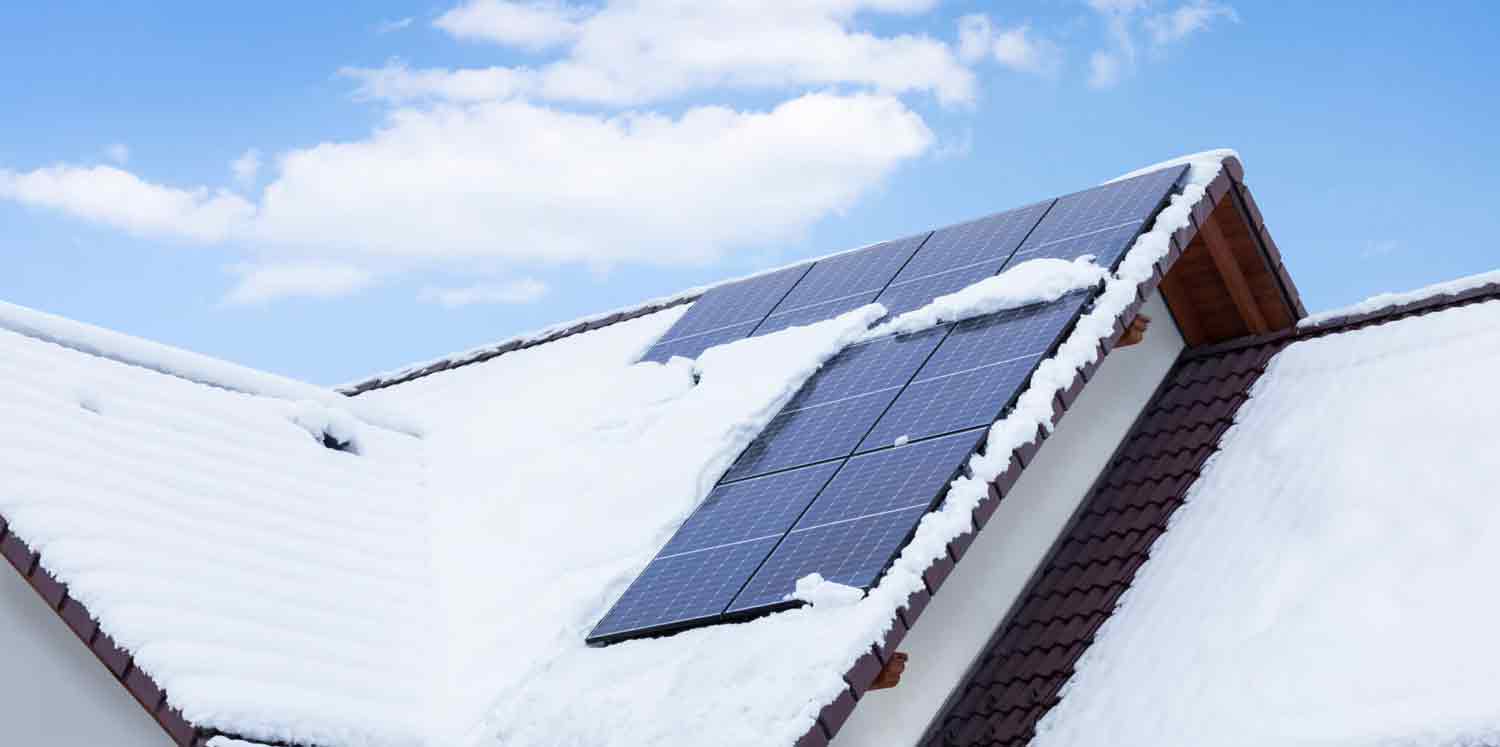
II. Understanding Winter Solar Panel Challenges
While solar panels are a valuable source of clean energy throughout the year, they face particular challenges during the winter months. One of the primary challenges is the reduced amount of sunlight. Winter days are shorter, which means less sunlight is available to convert into electricity. This decreased solar radiation directly impacts the overall efficiency of your solar panels.
Additionally, lower temperatures can affect the performance of solar panels. Like most electronic devices, solar panels work more efficiently in moderate temperatures. Colder weather can reduce their efficiency, causing a decrease in energy production. Understanding these challenges is the first step toward finding effective solutions to make the most of your solar panels during winter. In the following sections, we will explore practical tips and strategies to overcome these obstacles and ensure your solar panels continue to generate electricity efficiently, even when the days are shorter and colder.
Below you will find 5 challenges for Solar in the winter:
- Reduced Sunlight Hours: One of the most significant challenges for solar panels in winter is the shorter duration of daylight. With the sun setting earlier and rising later, solar panels have fewer hours to capture sunlight and convert it into electricity. This reduced exposure to sunlight directly affects the amount of energy your panels can generate.
- Lower Sun Angle: In many regions, the winter sun also sits lower in the sky compared to the summer months. This means that the sunlight has to travel through more of the Earth’s atmosphere before reaching your solar panels. As a result, the sunlight is scattered and absorbed to a greater extent, further diminishing the efficiency of solar energy production.
- Snow and Weather Conditions: Snowfall and inclement weather can pose additional challenges. Snow accumulation on solar panels can block sunlight and reduce their efficiency. Moreover, harsh winter conditions can make it difficult to access and maintain your solar panels, potentially leading to issues that affect their performance.
- Temperature Impact: Solar panels generally perform best in moderate temperatures. Cold weather can decrease their efficiency and effectiveness. Extremely cold temperatures can cause freezing, which can damage sensitive components within the panels. It’s essential to understand that solar panels don’t necessarily need hot weather to function; they need sunlight. So, even in cold climates, optimising their exposure to sunlight becomes crucial.
- Energy Demand: Winter often corresponds with higher energy demand due to heating and longer periods spent indoors. This increased energy consumption can put more strain on your solar panel system, which may not be producing energy at its peak efficiency during this season.
Recognising these challenges is the first step in effectively addressing them. In the following sections of this blog, we will explore practical solutions and strategies to help you maximise your solar panel efficiency during the winter, ensuring that you continue to benefit from clean and renewable energy even when the conditions are less than ideal.
III. Tips for Maximising Solar Panel Efficiency in Winter
While winter presents its unique challenges to solar panel efficiency, there are several practical strategies you can implement to make the most of your solar investment during this season.
1. Solar Panel Maintenance: Regular maintenance is crucial, especially during winter. Keep your panels clean and free of snow and debris. Snow buildup can significantly reduce efficiency, so clearing it off when safe to do so can make a big difference in energy production.
2. Tilt and Orientation: Adjusting the tilt and orientation of your solar panels can help maximise their exposure to winter sunlight. By tilting them at the optimal angle and ensuring they face south (in the Northern Hemisphere) or north (in the Southern Hemisphere), you can capture more sunlight throughout the day.
3. Snow Management: Dealing with snow accumulation is essential. You can invest in snow-resistant panels, use heating elements or snow rakes to clear snow, or simply wait for it to melt naturally. Whichever method you choose, addressing snow buildup promptly is essential for maintaining efficiency.
4. Monitoring Energy Consumption: Keep a close eye on your energy usage during the winter months. Adjust your habits to minimise energy consumption during peak demand times, such as running energy-intensive appliances during periods of maximum sunlight to maximise self-consumption.
5. Battery Storage: Consider adding a battery storage system to your solar panel setup. Batteries can store excess energy generated during sunny days for use during cloudy or nighttime periods, ensuring you have a reliable source of electricity throughout the day and night.
6. Professional Inspection and Maintenance: Schedule regular check-ups with our solar professionals to identify and address any issues. They can perform maintenance tasks that may be difficult for homeowners to handle safely during winter, ensuring your system operates optimally.
By implementing these tips and strategies, you can significantly enhance the performance of your solar panels during the winter season. This not only helps you save on energy costs but also reduces your reliance on non-renewable energy sources, contributing to a more sustainable and environmentally friendly lifestyle.
IV. Tilt and Orientation
The tilt and orientation of your solar panels play a crucial role in how efficiently they capture sunlight, especially during the winter months when the sun’s angle is lower. Here’s why it matters and how you can optimize it.
1. Understanding Tilt: Solar panels are most efficient when they are positioned at an angle that allows them to directly face the sun. This angle is known as the tilt or the tilt angle. During the winter, the sun takes a lower path across the sky. To capture as much sunlight as possible, it’s a good idea to adjust the tilt of your panels to be steeper in winter. This means angling them more towards the vertical, allowing them to receive sunlight more directly.
2. Choosing the Right Orientation: In addition to tilt, the orientation of your solar panels is vital. Panels should ideally face the equator or the direction where the sun is most prevalent in your region. In the Northern Hemisphere, this means facing south, while in the Southern Hemisphere, north is the ideal direction. By orienting your panels correctly, you ensure they receive the maximum possible sunlight throughout the day, even during the winter season when sunlight is scarcer.
3. Seasonal Adjustments: Some solar panel systems are designed to be adjustable, allowing you to change the tilt and orientation to match the season. During winter, increasing the tilt and slightly adjusting the orientation can help your panels make the most of the available sunlight. Once spring and summer return, you can adjust them back to their optimal settings.
4. Professional Guidance: If you’re unsure about the ideal tilt and orientation for your solar panels, it’s a good idea to consult with our solar professionals. They can calculate the best angles based on your location and the specific characteristics of your solar panel setup.
Optimising the tilt and orientation of your solar panels for winter can significantly increase their efficiency and energy production. It’s a relatively simple adjustment that can have a big impact on your ability to generate clean and renewable energy even during the darkest and coldest months of the year.
V. Snow Management
Snow accumulation on solar panels can be a significant challenge during the winter months, as it blocks sunlight and reduces their efficiency. Here are practical strategies for effectively managing snow on your solar panels.
1. Snow Removal Techniques: When snow covers your solar panels, it’s essential to clear it away to allow sunlight to reach them. You can do this manually using a soft snow rake or a long pole with a non-abrasive brush at the end. Be gentle to avoid damaging the panels. Alternatively, some solar panel systems come equipped with self-cleaning mechanisms or heating elements to help melt and shed snow.
2. Safety First: Before attempting to clear snow from your solar panels, prioritise safety. Only do so if it’s safe to access your roof or solar array. If your panels are located in a high or precarious location, it’s advisable to hire our professionals to perform the snow removal.
3. Timing Matters: It’s best to clear snow from your panels as soon as possible after a snowfall. The longer the snow remains on the panels, the more energy production you lose. Regularly monitoring weather forecasts and taking prompt action can help minimise energy loss.
4. Consider Snow Guards: Installing snow guards or snow retention systems on your roof can help prevent large chunks of snow and ice from sliding onto your solar panels. This can reduce the frequency and severity of snow buildup.
5. Snow-Resistant Panels: If you live in an area with heavy and persistent snowfall, consider investing in snow-resistant solar panels. These panels are designed with a special coating that makes it more difficult for snow and ice to adhere to the surface, allowing them to shed snow more easily.
6. Winter Maintenance Plan: Create a winter maintenance plan for your solar panels. This can include regular checks, scheduled snow removal, and a strategy for dealing with ice accumulation. A proactive approach can help maintain optimal performance during the winter months.
Effectively managing snow on your solar panels is essential for maintaining their efficiency and energy production during the winter season. By adopting these snow management strategies, you can ensure that your solar panels continue to contribute to your energy needs even in snowy conditions.
VI. Monitoring Energy Consumption
Monitoring your energy consumption during the winter months is a smart strategy to get the most out of your solar panels. Here’s why it matters and how you can do it effectively.
1. Understanding Seasonal Energy Use: Winter often brings an increase in energy consumption due to the need for heating, longer periods spent indoors, and the use of energy-intensive appliances. To maximise your solar energy, it’s essential to have a clear understanding of how and when you use electricity during this season.
2. Energy Monitoring Tools: Various energy monitoring tools and devices can help you track your energy consumption in real-time. Smart meters, energy monitoring apps, and even some solar panel systems come with built-in monitoring capabilities. These tools provide insights into your energy usage patterns, allowing you to identify areas where you can reduce consumption or shift usage to times when your solar panels are generating energy.
3. Time-of-Use (TOU) Plans: Check with your utility provider to see if they offer Time-of-Use (TOU) plans. These plans provide different electricity rates at different times of the day. By understanding the TOU rate schedule and shifting energy-intensive tasks to off-peak hours when your solar panels produce energy, you can save on electricity costs.
4. Energy-Efficient Practices: Armed with insights from energy monitoring, you can adopt energy-efficient practices during the winter. Simple steps like sealing drafts, using energy-efficient lighting, and maintaining your HVAC system can help reduce overall energy consumption.
5. Battery Storage Integration: If you have a battery storage system, you can use it strategically during periods of low sunlight. Charge your battery during the day when your solar panels are producing energy and discharge it during the evening or nighttime when energy demand is higher.
6. Sustainable Habits: Consider making sustainable habits a part of your daily routine. Encourage family members to turn off lights, unplug devices, and be mindful of energy use. These small changes can add up to significant energy savings over time.
By closely monitoring your energy consumption and making adjustments based on the insights gained, you can ensure that your solar panels meet a larger portion of your energy needs during the winter. This maximises your solar investment and contributes to a more sustainable and eco-friendly lifestyle.
VII. Battery Storage
Battery storage systems can be a game-changer when it comes to getting the most out of your solar panels during the winter season. Here’s why they are essential and how they work.
1. Energy Storage Solution: Battery storage systems, often referred to as solar batteries or energy storage units, are devices that store excess electricity generated by your solar panels. They work like a rechargeable battery for your home, capturing surplus energy during the day when your panels are producing at their peak.
2. Reliable Power at Night: One of the main advantages of battery storage is that it allows you to use solar energy even when the sun isn’t shining. During the winter, when daylight hours are shorter, and energy demand remains high after sunset, a well-sized battery can supply your home with stored solar energy, reducing your reliance on the grid.
3. Peak Demand Management: Batteries are excellent tools for managing peak energy demand. You can program your battery to discharge during peak usage times, such as evenings when everyone is at home. This can save you money by reducing your reliance on more expensive grid electricity during those high-demand periods.
4. Grid Independence: In some cases, a robust battery storage system can make your home more resilient to power outages. If the grid goes down, your battery can provide you with a source of backup power, ensuring you stay connected during critical times.
5. Sizing Considerations: When installing a battery storage system, it’s essential to work with our solar professionals to determine the right size for your needs. The capacity of your battery should match your energy usage patterns and goals, especially during the winter when energy generation is limited.
6. Return on Investment: While battery storage systems require an upfront investment, they can pay off in the long run by reducing your electricity bills, increasing your self-sufficiency, and contributing to a greener lifestyle. Many regions also offer incentives and rebates to help offset the cost.
Incorporating battery storage into your solar panel setup can be a game-changer during the winter and year-round. It allows you to store excess energy generated during sunny days for use when you need it most, ensuring a reliable and sustainable energy source even in the coldest and darkest months of the year.
VIII. Professional Inspection and Maintenance
Regular professional inspection and maintenance are essential for keeping your solar panel system running efficiently, especially during the challenging winter months. Here’s why it’s crucial and what you can expect.
1. Expert Assessment: Solar panel systems are complex, with various components that can wear out or degrade over time. Having a professional inspect your system allows for a thorough assessment by experts who can identify any issues or areas of concern. All our solar panel installers are MCS-accredited and adhere to the highest standards.
2. Ensuring Safety: Safety is paramount when it comes to maintaining a solar panel system. Our professionals are trained to work safely at heights and around electrical components. They can navigate your rooftop safely to check for any potential hazards.
3. Preventing Issues: Regular maintenance can prevent small problems from becoming more significant and costly issues. Professionals can detect early signs of wear, damage, or malfunctions and address them promptly, reducing the risk of system breakdowns.
4. Winter-Specific Checks: In preparation for winter, our professionals will inspect your system to ensure it’s ready for the challenges of the season. They’ll look for signs of snow and ice damage, check the integrity of the mounting and racking systems, and ensure all electrical connections are secure.
5. Cleaning and Snow Removal: Our professionals have the right equipment and expertise to safely clean your solar panels and remove snow buildup. This ensures that your panels are clear of any obstructions and can capture the maximum amount of sunlight.
6. Regular Schedule: The frequency of professional inspections and maintenance may vary depending on your system’s age and location. However, it’s advisable to have a professional check your solar panels at least once a year, ideally before the winter season to address any potential issues.
7. Extended Lifespan: Regular professional maintenance can extend the lifespan of your solar panel system, protecting your investment and ensuring it continues to generate clean energy for years to come.
By scheduling our professional inspections and maintenance, you can have peace of mind knowing that your solar panel system is operating at its best, even during the winter. It’s a proactive step that safeguards your investment, enhances efficiency, and contributes to a more sustainable energy future.
IX. Government Incentives and Rebates
Government incentives and rebates in the United Kingdom can significantly help you enhance the performance of your solar panels during the winter season. Here’s why you should explore these opportunities and how they can work to your advantage.
1. Financial Support: The UK government offers a range of financial incentives to promote the adoption of solar energy. These incentives include the Smart Export Guarantee (SEG) and the Renewable Heat Incentive (RHI). These schemes provide financial rewards for generating renewable energy and can help offset the costs of optimising your solar panels for winter efficiency.
2. Reducing Installation Costs: Government incentives can significantly reduce the initial costs of installing solar panels. This makes it more financially accessible for homeowners and businesses to invest in systems designed to perform optimally during the winter months, including advanced snow management solutions and energy storage.
3. Feed-In Tariffs (FITs): Although the Feed-In Tariff scheme closed to new applicants in 2019, those who previously enrolled continue to receive payments for the renewable electricity they generate and export to the grid. This ongoing income can help recover the investment in solar panels and winter optimisation.
4. Environmental Impact: In line with the UK’s commitment to reducing carbon emissions and combating climate change, investing in solar energy and optimising your panels for winter contributes to a greener and more sustainable future. This aligns with the UK government’s Clean Growth Strategy and its goals for clean energy adoption.
5. Local Programs: Some local authorities and energy companies in the UK offer additional incentives or discounts for solar panel installations. These programs can vary by region, so it’s worth checking with your local council or energy provider for available incentives.
6. Consultation and Resources: To make the most of UK government incentives and rebates, consult with our solar professionals who can guide you through the application process and ensure you benefit from all available programs. Additionally, the UK government’s official website provides valuable resources and information on renewable energy incentives and how to apply for them.
Exploring UK government incentives and rebates is a proactive step to enhance your solar panel system’s performance during the winter months. These programs are designed to reward and support those who invest in clean and sustainable energy, ensuring that you can enjoy the full benefits of your solar panels, even during the chilly and less sunny UK winters.
X. Conclusion
In conclusion, optimising your solar panels for winter isn’t just a matter of convenience; it’s a strategic move that can yield significant benefits. As the colder months approach, taking proactive steps to maximise the efficiency of your solar panel system ensures that you continue to harness clean and renewable energy, reduce your energy bills, and contribute to a more sustainable future.
By understanding the unique challenges of winter, such as reduced sunlight hours and snow accumulation, and implementing practical strategies like adjusting panel tilt and orientation, snow management techniques, and monitoring energy consumption, you can make the most of your solar investment even when the days are shorter and the temperatures drop.
Moreover, the integration of battery storage can provide a reliable source of energy day and night, while regular professional inspection and maintenance can safeguard your system’s long-term efficiency. Don’t forget to explore the various government incentives and rebates available in your region, such as those provided by the UK government, which can make optimising your solar panels financially viable.
In essence, optimising your solar panel system for winter is a smart and sustainable choice. It not only saves you money but also reduces your reliance on non-renewable energy sources and minimises your carbon footprint. By embracing these strategies, you can enjoy the benefits of clean energy throughout the year, regardless of the season. So, take these steps, make the most of your solar panels in winter, and embark on a greener and more energy-efficient journey.
Frequently Asked Questions
Can solar panels generate electricity during the winter?
Yes, solar panels can still generate electricity during the winter months. However, their efficiency may be affected by reduced sunlight hours and other winter-related challenges.
How can I maximise the efficiency of my solar panels in winter?
To optimise your solar panels for winter, you can adjust their tilt and orientation, keep them clean and free of snow, monitor your energy consumption, consider battery storage, and schedule our professional maintenance.
Is it worth investing in battery storage for my solar panel system in winter?
Battery storage can be a valuable addition, especially during the winter when energy demand is high. It allows you to store excess energy generated during sunny days for use during cloudy or nighttime periods.
Are there government incentives and rebates available for winter solar panel optimisation?
Yes, many governments offer financial incentives and rebates to encourage the adoption of solar energy. These incentives can help offset the costs of optimising your solar panels for winter efficiency.
How often should I have my solar panels professionally inspected and maintained?
It’s advisable to have your solar panels professionally inspected at least once a year, ideally before the winter season. Regular maintenance helps prevent issues and ensures optimal performance.
What if I live in an area with heavy snowfall?
If you live in an area prone to heavy snowfall, consider snow-resistant solar panels, snow management techniques like snow rakes or heating elements, and battery storage to mitigate the impact of snow on your panels.
Can I clean my solar panels myself in winter?
It’s possible to clean your solar panels yourself in winter, but safety should be a priority. Use a soft snow rake or long pole with a non-abrasive brush. If it’s not safe to access your panels, consider hiring a professional.
Are there any environmental benefits to optimising solar panels for winter?
Yes, optimising your solar panels for winter and using clean, renewable energy reduces your carbon footprint and contributes to a more sustainable and environmentally friendly lifestyle.
Will I still save money on energy bills in winter with solar panels?
Solar panels can still save you money on energy bills in winter, but the extent of savings may vary based on factors like panel efficiency and energy consumption habits. Proper optimization helps maximise those savings.
Can I rely on my solar panels for power during power outages in winter?
If you have battery storage, your solar panels can provide backup power during power outages, helping you stay connected during critical times. However, the ability to do so depends on the capacity of your battery system.
Expert, local installers
All installations are carried out by careful, caring, qualified MCS-accredited engineers.
It’s as easy as...

Answer a few questions about your home or business

Receive up to 3 quotes from our trusted installers in your area

They install your new system in as little as 2 weeks
What our customers say
”I was thinking about getting solar for my home and stumbled upon www.solarplanet.uk. The site's super easy to get, breaking down all the solar jargon. After reading up for a bit, I filled out their quote form. The next day, I got calls and emails from three solar companies in South Wales. Chatted with all of them, got quotes, and went ahead with one. The whole experience was smooth, and all the companies seemed top-notch. Big thumbs up!
Caroline McleanCardiff Resident
”Running a business, those rising energy bills were starting to pinch. So, we thought, 'Why not try solar?' A quick online search led us to Solar Planet. Filling out their quote form was a breeze, and guess what! The very next day, three solar experts from Bristol gave us a shout. They were all super helpful and knew their stuff. Picking one was tough since they all had great offers. And a big relief! They all had this MCS accreditation – a real peace of mind with all those dodgy stories you hear these days.
Daniel JonesOn The Blink - Commercial Business in Bristol
”It couldn't have been easier! Initially, we were scratching our heads trying to find a trustworthy company. Then, thanks to a quick Google search by my husband, we landed on Solar Planet. He filled out their quote form, and the next day, three different solar installers rang us up. We've been over the moon with both the installation and the ongoing support. They guided us through the whole process from installation to helping us find the best energy provider for solar power.
Ceri BurkeSwansea Resident


