

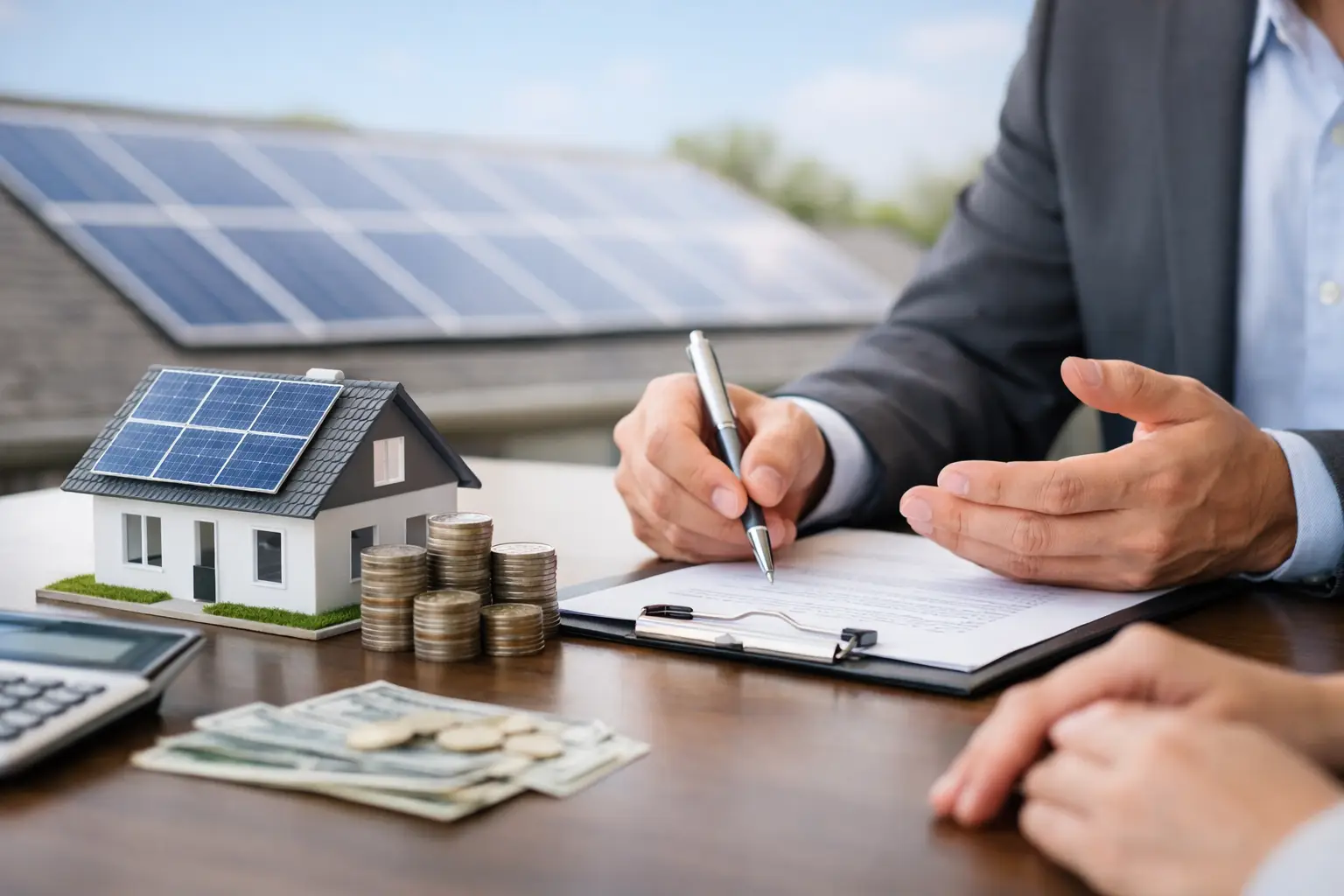
A good solar quote can still feel out of reach when the upfront cost lands all at once. That is usually the moment people start asking how to finance solar panels without wiping out their savings or signing up to a deal that costs far more than expected.
The right answer depends on what matters most to you. Some households want the lowest overall cost. Others care more about keeping monthly payments manageable. For businesses, cash flow, tax treatment and payback times often matter more than the sticker price alone. Solar can save money over time, but only if the finance arrangement makes sense alongside the installation itself.
How to finance solar panels: start with the real numbers
Before comparing payment options, get clear on the full project cost. That means the panels, inverter, scaffolding, labour, electrical work and, if relevant, battery storage. A quote that looks cheaper at first can become less attractive if key items are missing or the equipment quality is lower.
It also helps to estimate what the system is likely to save you each year. A larger system is not automatically better if your property does not use enough daytime electricity. In the same way, the cheapest finance deal is not always the best if it is tied to poor workmanship or unrealistic performance claims.
This is where comparing several MCS-accredited installers is useful. You can see whether prices are consistent, whether the system design fits your property and whether the projected savings feel credible. If you are in Cardiff, Newport, Swansea or Bristol, local installers may also have a better understanding of roof types, planning considerations and grid connection issues in your area.
Paying cash is usually cheapest overall
If you have the funds available, paying upfront is often the most cost-effective route. There is no interest to pay, no lender arrangement to factor in and no long-term finance agreement reducing the savings your system generates.
That said, cash is not always the best decision just because it is the cheapest on paper. Using a large amount of savings for solar may leave you less comfortable financially, especially if you have other planned costs such as home repairs, business investment or a mortgage renewal ahead. The lowest total cost does not always equal the best personal choice.
For some customers, paying partly in cash and financing the rest strikes the right balance. It reduces the amount borrowed while avoiding the pressure of paying everything in one go.
Solar loans can spread the cost sensibly
For many homeowners, a loan is the most straightforward answer to how to finance solar panels. You borrow a fixed amount, pay for the installation, then repay it in monthly instalments over an agreed term.
A standard home improvement loan gives you predictable payments, which many people prefer. You own the system from day one, so any energy savings and export income are yours. That is different from some older-style funding models where a third party effectively retained the benefit.
The main trade-off is interest. Even with a competitive rate, borrowing increases the total amount you pay for the system. A longer loan term usually lowers monthly payments but increases the total cost. A shorter term costs less overall but can feel tighter month to month.
If you are comparing loans, look beyond the headline rate. Check the total repayable amount, whether there are early repayment charges and whether the lender requires any fees. It is also worth asking whether the loan is specifically linked to the solar installer or whether you are free to choose your own accredited provider.
Installer finance can be convenient, but read the detail
Some solar installers offer finance directly through a lending partner. This can make the process feel simpler because the quote and finance illustration are presented together.
Convenience is valuable, but it should not replace comparison. Installer-arranged finance is not automatically expensive, but it is not automatically the best deal either. Sometimes the monthly figure is made to look attractive by stretching the term, which can add a significant amount of interest over time.
You should also check whether the finance is available on the exact system you want, including any battery, EV charger or additional electrical work. In some cases, the promoted offer only applies to part of the project. A clear written breakdown matters.
This is one reason many customers prefer to compare both installers and payment options at the same time. It gives you a better sense of the true project cost rather than just the sales version of it.
Using mortgage borrowing or remortgaging
Some homeowners choose to finance solar through a further advance or remortgage, especially if they are already planning wider home improvements. Mortgage borrowing can offer lower interest rates than unsecured lending, which makes it appealing for larger projects.
The catch is the term. Spreading solar costs over many years can reduce monthly payments, but you may end up paying much more in total, particularly once fees are included. You are also securing the borrowing against your property, which raises the stakes compared with an unsecured loan.
For that reason, mortgage-based borrowing can make sense in some cases, but it needs careful thought. It tends to suit people already restructuring their finances, rather than someone simply looking for the quickest route to a modest-sized installation.
Credit cards and short-term borrowing
A credit card can work for a deposit or a smaller element of the project, particularly if you have an introductory 0% period and a realistic plan to clear the balance before interest starts. For the full cost of a solar installation, though, it is usually less practical.
Once standard credit card rates apply, the borrowing can become expensive very quickly. The same caution applies to short-term finance products with high interest rates. Solar should reduce pressure on your bills over time, not create a more expensive debt problem in the meantime.
Commercial solar finance works a little differently
If you are funding solar for a business, the decision tends to be less about personal affordability and more about return on investment. A business may pay cash, use a loan, arrange asset finance or fund the project through broader capital expenditure.
The best route depends on your tax position, energy usage pattern and how quickly you need the system to pay back. A business operating mainly in daylight hours may see stronger direct savings than one using more electricity overnight. That affects how comfortably finance repayments can be covered by the energy reduction.
Commercial buyers should also look closely at maintenance terms, expected system performance and any downtime risks. A cheap finance package does not help if the installation underperforms or support is hard to reach when something goes wrong.
What to check before you sign anything
The most common mistake is focusing on the monthly repayment and ignoring the total cost. A deal can feel affordable while still being poor value over the life of the agreement.
Ask for the cash price, the financed price and the total amount repayable. Make sure you understand the loan term, the interest rate, any fees and whether you can repay early without penalty. If savings estimates are being used to justify the finance, those estimates should be realistic rather than best-case marketing figures.
It is also worth checking who is responsible if there is a problem. Finance and installation can involve different companies. You want to know who is handling the work, whether they are properly accredited and what happens if the project is delayed or changed.
For many people, the safest route is to compare multiple quotes from vetted installers before choosing a finance path. That keeps the installation decision separate from the sales pressure that can come with a single packaged offer. A service such as Solar Planet can make that comparison easier by putting you in touch with trusted local installers without adding more legwork.
How to choose the right finance option for your situation
If your priority is paying the least overall, cash usually wins. If your priority is getting solar installed sooner while keeping savings intact, a loan or installer finance may be the better fit. If you are already refinancing your home, mortgage borrowing might be worth exploring, but only with a clear view of long-term cost.
For businesses, the best option is often the one that protects working capital while still delivering a sensible payback period. There is no single answer that suits every property or every budget.
What matters is that the numbers stack up in real life. A well-priced system from a reputable MCS-accredited installer, financed on terms you fully understand, is far more valuable than a flashy offer that hides its true cost. Take the extra time to compare properly. Good solar should leave you feeling more in control of your energy bills, not tied into a decision you regret.
If you are weighing up quotes right now, focus on clarity over speed. The right finance arrangement should make solar more achievable, not more complicated.

