I. Introduction
In the face of growing environmental concerns and a global shift towards sustainable energy solutions, the allure of harnessing sunlight for power is more potent than ever. Solar energy, once a futuristic vision, is now a tangible and accessible solution for many households and businesses worldwide. As cities like Reading explore avenues to reduce their carbon footprint and bolster their green initiatives, solar panel installations have emerged as a preferred choice for many of its residents. Not only does it promise a cleaner energy source, but it also signifies a step towards energy independence, resilience, and an eco-conscious future. This article delves into the intricacies of solar panel installation in Reading, from its potential benefits to the local nuances that make the process unique to the area. Whether you’re a Reading homeowner considering this transition or merely an enthusiast keen to understand the solar wave sweeping across towns, you’re in for an enlightening journey.

II. Why Solar Energy?
The quest for renewable energy sources has never been more pressing, and among these, solar energy stands out as one of the most promising. But what makes solar energy such an attractive alternative?
Firstly, from an environmental perspective, solar energy is remarkably clean. Unlike fossil fuels, solar panels produce electricity without emitting greenhouse gases. This means a significant reduction in the carbon footprint of homes, businesses, and entire communities. As concerns over global warming and climate change intensify, the shift to solar energy becomes not just beneficial, but crucial.
Economically, solar energy has its merits too. With advancements in technology and increased market competition, the cost of solar installations has plummeted in recent years. Once set up, they can lead to substantial savings on electricity bills. In many cases, households and businesses can return excess power to the grid, turning their energy solution into a potential revenue source. Moreover, properties equipped with solar panels often see an increase in their value, making it a worthy long-term investment.
Lastly, solar energy offers a path to energy independence. Instead of relying heavily on grid electricity, which often comes from non-renewable sources, households can generate their power. This not only provides a buffer against fluctuating electricity prices but also ensures a more consistent energy supply, especially beneficial in areas prone to power outages.
In essence, solar energy isn’t just a trend—it’s a tangible response to our time’s pressing environmental and economic challenges. For cities like Reading, it represents a way forward, marrying innovation with sustainability in the pursuit of a brighter, greener future.
III. Understanding Solar Panel Technology
At the heart of the solar energy revolution lies a marvel of modern engineering: the solar panel. But how does this seemingly simple sheet of cells transform the sun’s rays into usable electricity?
Solar panels primarily work on the principle of the photovoltaic (PV) effect. When sunlight strikes the surface of a solar cell, it excites the electrons present in the semiconducting material of the cell. This excitement causes the electrons to move, generating a flow of electric current. Simply put, solar panels convert sunlight directly into electricity.
There are several types of solar panels available in the market, each with its unique characteristics:
- Monocrystalline Solar Panels: Recognized by their uniform dark look and rounded edges, these panels are made from a single pure silicon crystal. They offer high efficiency and a longer lifespan but usually come at a higher price point.
- Polycrystalline Solar Panels: With a bluish hue and square shape, these panels are crafted from multiple silicon crystals. They are generally less efficient than monocrystalline panels but are more affordable.
- Thin-Film Solar Panels: Distinguished by their thin and flexible design, these panels are made by layering photovoltaic material on a substrate. They’re less efficient than crystalline-based panels but can be used in a wider range of applications due to their flexibility.
Recent advancements in technology have also led to the development of solar tiles and bifacial solar panels, which capture sunlight from both sides. The industry continues to innovate, aiming to improve efficiency, reduce costs, and make solar installations more accessible and aesthetically pleasing.
It’s also worth noting the increasing importance of solar inverters in the whole setup. Once the panels produce direct current (DC) electricity, it’s the inverter’s job to convert this into alternating current (AC), the standard form of electricity used in homes and businesses.
In grasping the intricacies of solar panel technology, one gains not just knowledge but also appreciation. It’s a testament to human ingenuity and our relentless pursuit of sustainable solutions in an age of environmental uncertainty.
IV. Reading’s Solar Potential
Nestled in the heart of the UK, Reading may not immediately spring to mind when one thinks of sun-soaked locales. However, when it comes to solar energy, it’s not just about the intensity of the sun but also the duration of sunlight and the quality of the solar technology in use. So, what does this mean for Reading’s solar potential?
First and foremost, the UK, including Reading, enjoys a substantial number of daylight hours during the summer months. While it’s true that the winter days can be shorter and cloudier, advancements in solar technology mean that modern panels can still generate electricity even on overcast days. They might not work at peak efficiency, but they’re far from dormant.
Historical data suggests that Reading receives an average of around 1,500 hours of sunshine annually. This figure might seem modest when compared to sunnier climes, but with the right installation and equipment, it’s more than sufficient to yield significant energy savings and reduce carbon footprints.
Moreover, the inclination towards green energy in Reading has fostered a supportive environment for solar installations. Local communities and authorities often provide resources, incentives, and guidance to those wishing to adopt solar solutions. Case studies from Reading homeowners have showcased not only substantial savings on electricity bills but also an increased sense of community pride in taking proactive steps towards a sustainable future.
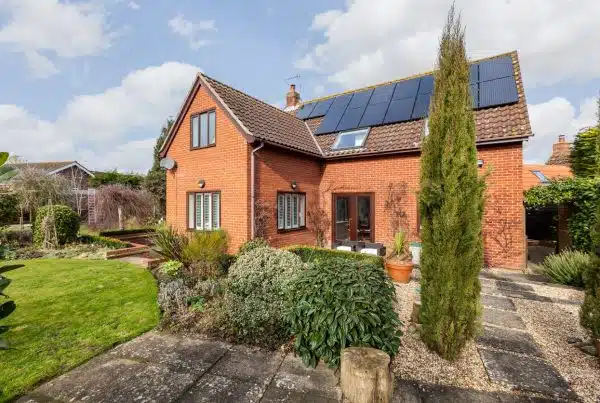
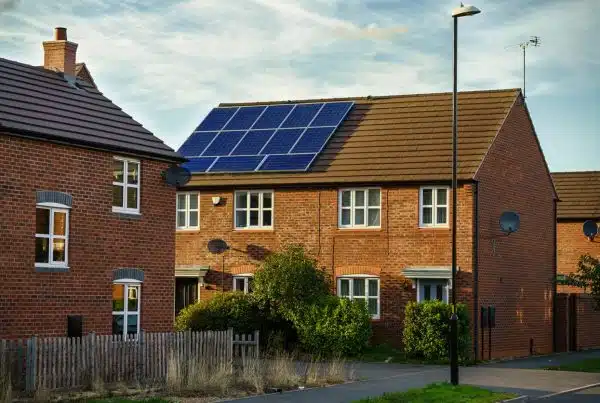
Furthermore, the urban landscape of Reading, with its blend of historical and modern architecture, offers varied opportunities for solar installations. From rooftop setups in suburban homes to larger solar arrays on commercial properties, the potential for harnessing solar energy is vast and diverse.
In essence, Reading’s solar potential is a culmination of its geographical position, the progressive mindset of its residents, and the ever-advancing solar technology. While it may not be bathed in sunlight year-round, Reading undoubtedly holds a promising position in the UK’s solar map.
V. Steps to Install Solar Panels in Reading
Harnessing the sun’s energy in Reading is not just an eco-conscious decision; it’s also a strategic move towards long-term savings. However, making the transition isn’t simply a matter of purchasing panels and placing them on your roof. There’s a systematic approach to ensure optimal performance, safety, and compliance with local regulations. Here’s a step-by-step guide to installing solar panels in Reading:
Initial Assessment: Before any installation, it’s essential to determine the feasibility of solar panels for your property. This involves evaluating the orientation and tilt of your roof, potential shading obstacles, and the structural soundness of the building. Several of our local partners offer free or low-cost assessments to give homeowners an idea of their property’s solar potential.
Choose a Reliable Installer: The efficiency and longevity of your solar panels are heavily dependent on the quality of installation. It’s crucial to select a reputable solar installer with a track record of success in Reading. Luckily for you, we have done this hard work. We only work with the best installers In Reading. All our installers are MCS accredited.
Permits and Regulations: Reading, like many places in the UK, has specific regulations governing the installation of solar panels, especially in conservation areas or on listed buildings. Your chosen installer typically assists in obtaining necessary permits, ensuring that the installation abides by local rules and building codes.
Installation Process: Once all the preparations are in place, the actual installation begins. This process includes setting up the racking system on which the panels will be mounted, installing the panels securely, and ensuring all electrical connections are safely established. Depending on the size of the installation, this could take anywhere from a day to a week.
Connecting to the Grid: If you’re planning a grid-connected system, your panels will need to be integrated with the local electricity network. This might require some coordination with your energy provider and possibly some additional equipment to ensure power can flow seamlessly between your panels, your home, and the grid.
Post-Installation Checks: After installation, it’s essential to test the system thoroughly. This ensures that everything is functioning as expected, and there aren’t any issues with the electrical setup. All of our installers will provide guidelines on what to monitor during the initial days.
Maintenance: While solar panels are relatively low-maintenance, regular checks and occasional cleaning can help maintain their efficiency. Bird droppings, accumulated dust, or fallen leaves can reduce the amount of sunlight that reaches the cells, so a semi-annual cleaning is often recommended.
By following these steps and working with professionals familiar with Reading’s solar landscape, homeowners can enjoy a smooth transition to green energy, reaping the ecological and economic benefits for years to come.
VI. Incentives and Financial Considerations
Adopting solar energy is not just a step towards sustainability; it’s also an investment. Understanding the financial dynamics and available incentives can be crucial for homeowners and businesses in Reading, making the transition both feasible and advantageous. Here’s a closer look at the financial aspects and incentives tied to solar installations in the area:
- Government Incentives: The UK government, in its bid to promote renewable energy, has periodically introduced schemes and grants to support solar panel installations. One notable programme was the Feed-in Tariff (FiT), which, although it has seen changes over the years, offered payments to homeowners generating their electricity. While the FiT is no longer accepting new applications, there may be new incentives and schemes that replace or supplement it. It’s always wise to stay updated on current government offerings.
- Local Incentives: Apart from national schemes, local councils or community groups in Reading might have their own set of incentives to promote solar adoption. This could range from tax rebates, discounted permits, or even community bulk-buying schemes that reduce the cost of individual installations.
- Return on Investment (ROI): Installing solar panels involves an upfront cost, but the subsequent savings on electricity bills can quickly offset this investment. Many homeowners in Reading find that their solar setups pay for themselves within a few years, after which they essentially enjoy ‘free’ electricity. Additionally, the ability to sell back excess power to the grid, if such arrangements exist with local utilities, can further accelerate the ROI.
- Property Value Boost: Numerous studies have shown that homes equipped with solar panels tend to have higher property values compared to those without. For homeowners considering selling their properties in the future, solar installations can offer a competitive edge in the market.
- Financing Options: Not everyone can afford the initial outlay required for solar installations. Recognising this barrier, many of our partners offer financing options. These can range from zero-down payment plans to low-interest loans, or lease agreements. It’s essential to read the fine print and understand the long-term implications of any financial arrangement.
- Long-term Savings: Beyond the immediate returns and incentives, it’s crucial to consider the long-term financial benefits. Solar panels have a lifespan of 20-25 years, if not more. Over this period, with rising electricity costs and potential grid instability, the savings from a solar setup can be substantial.
In conclusion, while the initial cost of solar installation can be daunting for some, the matrix of incentives, long-term savings, and potential returns makes it a sound financial decision for many in Reading. Coupled with the environmental benefits, it’s an investment that pays dividends not just to the individual but also to the community and the planet.
VII. Challenges and Considerations
As promising as solar energy is for Reading and its residents, transitioning to this renewable source doesn’t come without its challenges. Being aware of these considerations helps in making informed decisions, ensuring that the switch to solar is smooth and beneficial in the long run. Here’s a closer look at some potential obstacles and things to keep in mind:
- Weather Patterns: Reading, like much of the UK, has a variable climate. While modern solar panels can generate electricity even on overcast days, prolonged periods of cloud cover can reduce their efficiency. It’s essential to have realistic expectations about energy output, especially during the gloomier winter months.
- Historical Building Restrictions: Reading is home to a myriad of historical and listed buildings. Installing solar panels on such structures can be tricky, given the stringent regulations designed to preserve architectural integrity. It’s crucial to consult local authorities and perhaps even heritage experts when considering solar installations on these buildings.
- Maintenance and Cleaning: Though solar panels are relatively low-maintenance, they’re not entirely hassle-free. Debris, dust, bird droppings, or even snow can obscure the panels, affecting their performance. Regular cleaning and occasional maintenance checks are necessary to keep them operating optimally.
- Space Constraints: Not every property in Reading might have the ideal roof space or orientation for solar panels. While solutions like ground-mounted panels exist, they require ample yard space, which might not be available to all.
- Technological Changes: The solar industry is rapidly evolving. The panels you install today might be outpaced by more efficient models in a few years. While it’s not feasible to keep updating one’s installation continually, it’s worth considering the longevity of the current technology when investing.
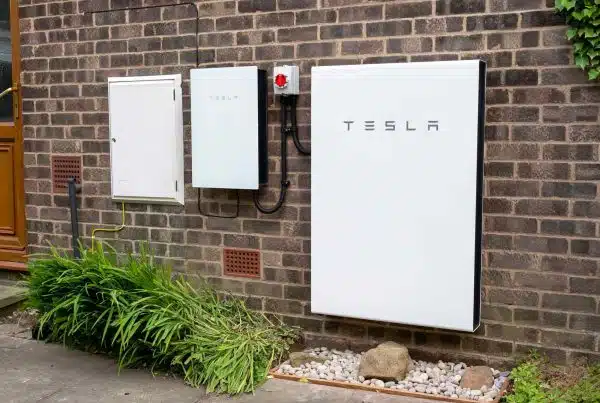
- Backup Systems: On days when the sun is elusive, having a backup system, be it a connection to the grid or battery storage, becomes essential. Planning and investing in these backups can add to the initial costs but are crucial for an uninterrupted power supply.
- Financial Fluctuations: While government incentives and rebates can significantly reduce solar installation costs, these programmes can change based on political climates and policy shifts. Being aware of these potential fluctuations can help in timing your installation optimally.
In essence, while the benefits of solar energy are manifold, it’s not a one-size-fits-all solution. Every prospective solar adopter in Reading should weigh these challenges against the benefits, ensuring that their transition to solar energy is well-thought-out and tailor-made to their circumstances.
VIII. Conclusion
In an age where sustainability isn’t just a buzzword but a vital action point, the shift towards renewable energy sources becomes paramount. Solar energy, with its array of environmental and economic benefits, presents a compelling case for adoption. For the residents of Reading, the journey towards solar integration might be peppered with challenges, from weather considerations to historical building restrictions. However, the overarching advantages—reduced carbon footprints, long-term savings, and a step towards a greener future—far outweigh these hurdles.
The stories of numerous Reading homeowners and businesses reaping the rewards of their solar investments serve as testimonials to the potential this technology holds. As the world grapples with the pressing urgency of climate change and energy crises, local efforts like those in Reading become beacons of hope. By considering the intricacies of solar panel installations, from the technology to the financial implications, residents can make informed decisions that benefit not just their households but also the broader community.
In summary, the solar narrative in Reading is more than just an exploration of a renewable energy source. It’s a testament to a community’s commitment to environmental stewardship, innovation, and a vision for a brighter, more sustainable future. As solar panels continue to dot the rooftops of this historic town, they stand as symbols of progress, resilience, and an unwavering dedication to a better tomorrow.
Start your journey today. Get your free quote now!
Frequently Asked Questions
What are the environmental benefits of installing solar panels in Reading?
Solar panels produce electricity without emitting greenhouse gases, helping reduce the carbon footprint and combat climate change.
How do solar panels work?
Solar panels use the photovoltaic (PV) effect to convert sunlight directly into electricity. When sunlight strikes a solar cell, it excites electrons in the cell, generating an electric current.
Does Reading receive enough sunlight to justify solar panel installation?
Yes, Reading gets an average of about 1,500 hours of sunshine annually. Modern solar panels can generate electricity even on overcast days, making them suitable for the region’s climate.
Are there government incentives available for installing solar panels in Reading?
While specific incentives might vary over time, the UK government has introduced schemes like the Feed-in Tariff in the past. It’s essential to check current government and local council offerings for up-to-date information.
How long does it take to install solar panels on a property in Reading?
The duration depends on the size of the installation, but it can range from a day to a week for most residential properties.
Do solar panels increase the value of a property in Reading?
Yes, studies have shown that properties equipped with solar panels generally have higher market values than those without.
Are there restrictions on installing solar panels on historical buildings in Reading?
Yes, listed buildings and properties in conservation areas might have specific regulations. It’s crucial to consult local authorities before proceeding with installations on such structures.
Do solar panels require a lot of maintenance?
Solar panels are relatively low-maintenance. However, periodic cleaning and occasional checks are recommended to maintain optimal performance.
With the rapidly evolving solar technology, will my panels become outdated soon?
While the solar industry continues to innovate, a well-installed solar panel system can last 20-25 years. The efficiency gains in newer models are often incremental, so a good-quality installation remains effective for many years.
What backup options are available for days with little sunlight?
Backup options include battery storage systems or staying connected to the local electricity grid. This ensures uninterrupted power even on days with minimal sun.
Can I sell excess power back to the grid in Reading?
This depends on arrangements with local utility providers. In the past, schemes like the Feed-in Tariff have allowed homeowners to sell back excess electricity. It’s best to consult with your energy provider for current options.
Expert, local installers
All installations are carried out by careful, caring, qualified MCS-accredited engineers.
It’s as easy as...

Answer a few questions about your home or business

Receive up to 3 quotes from our trusted installers in your area

They install your new system in as little as 2 weeks
What our customers say
”I was thinking about getting solar for my home and stumbled upon www.solarplanet.uk. The site's super easy to get, breaking down all the solar jargon. After reading up for a bit, I filled out their quote form. The next day, I got calls and emails from three solar companies in South Wales. Chatted with all of them, got quotes, and went ahead with one. The whole experience was smooth, and all the companies seemed top-notch. Big thumbs up!
Caroline McleanCardiff Resident
”Running a business, those rising energy bills were starting to pinch. So, we thought, 'Why not try solar?' A quick online search led us to Solar Planet. Filling out their quote form was a breeze, and guess what! The very next day, three solar experts from Bristol gave us a shout. They were all super helpful and knew their stuff. Picking one was tough since they all had great offers. And a big relief! They all had this MCS accreditation – a real peace of mind with all those dodgy stories you hear these days.
Daniel JonesOn The Blink - Commercial Business in Bristol
”It couldn't have been easier! Initially, we were scratching our heads trying to find a trustworthy company. Then, thanks to a quick Google search by my husband, we landed on Solar Planet. He filled out their quote form, and the next day, three different solar installers rang us up. We've been over the moon with both the installation and the ongoing support. They guided us through the whole process from installation to helping us find the best energy provider for solar power.
Ceri BurkeSwansea Resident