

I. Introduction
Solar panels have become an increasingly popular option for homeowners looking to reduce their energy costs and minimize their carbon footprint. In this ultimate guide, we will discuss the basics of solar panels, including how they work, their advantages and disadvantages, and how to choose the right system for your home.
A. Explanation of solar panels and how they work
Solar panels, also known as photovoltaic panels, are made up of photovoltaic cells that convert sunlight into electricity. When sunlight is absorbed by the photovoltaic cells, it causes a flow of electrons, creating a direct current (DC) electrical charge.
B. Overview of benefits and disadvantages of solar panels for homes
While there are many benefits to installing solar panels for homes, including lower energy costs and a more environmentally friendly option, there are also some disadvantages to consider, such as the initial cost and ongoing maintenance requirements. This guide will provide a comprehensive look at the pros and cons of solar panels for homes.
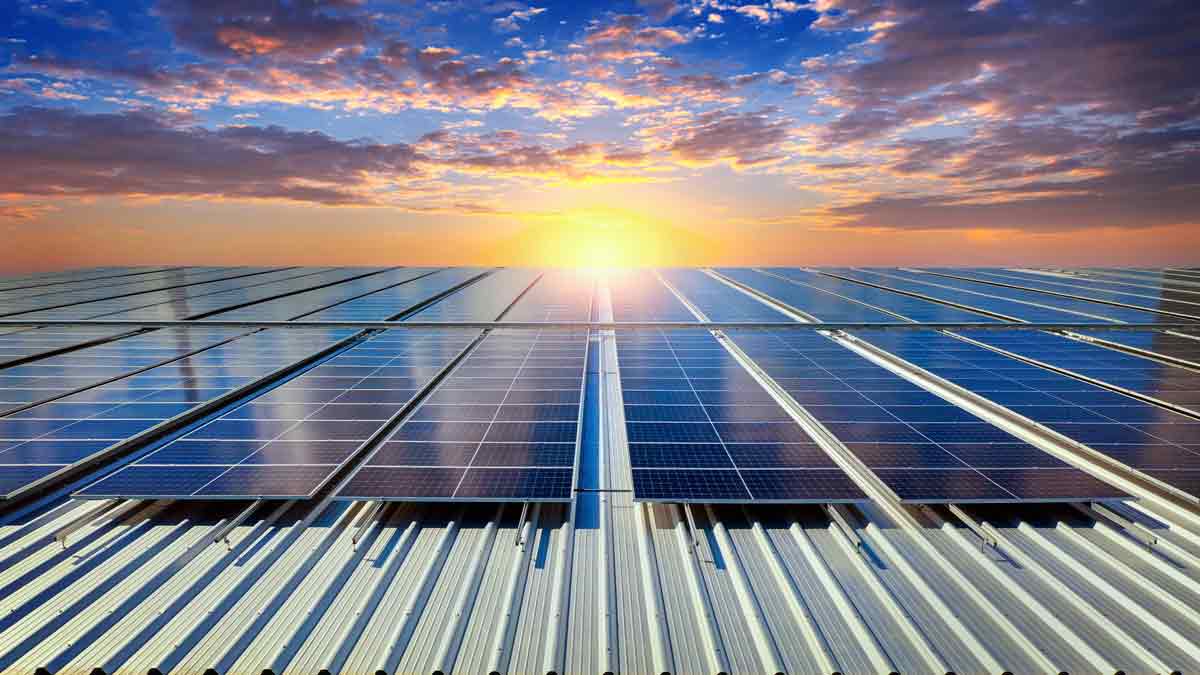
II. How Solar Panels Work
In this section, we will delve into the technical details of how solar panels work to convert sunlight into electricity.
A. Description of photovoltaic cells
Photovoltaic cells, also known as solar cells, are the basic building blocks of solar panels. They are made of silicon, a semiconductor material that absorbs photons of light and releases electrons, creating an electrical current.
B. Conversion of sunlight into electricity
When sunlight hits the photovoltaic cells in a solar panel, the photons are absorbed, causing a flow of electrons and generating a direct current (DC) electrical charge.
C. Conversion of DC to AC electricity
The DC electricity generated by the photovoltaic cells is then passed through an inverter, which converts the DC electricity into alternating current (AC) electricity, the type of electricity used in homes and businesses.

III. Advantages of Solar Panels for Homes
Installing solar panels in your home offers a number of benefits that can have a positive impact on your finances, your home, and the environment.
A. Lower energy bills
One of the biggest benefits of solar panels is the potential to significantly reduce your monthly energy costs. By generating your own electricity, you can offset the amount you would otherwise purchase from your utility company, lowering your monthly bill.
B. Increased home value
In addition to reducing energy costs, installing solar panels can also increase the value of your home. Studies have shown that homes with solar panels often sell for more and have a faster turnaround time compared to homes without them.
C. Environmentally friendly
Solar panels are a clean and renewable energy source, helping to reduce greenhouse gas emissions and protect the environment. By using solar power, you can reduce your carbon footprint and contribute to a cleaner, greener world.
D. Tax credits and incentives
In the UK there are tax credits and other incentives available for homeowners who install solar panels. These incentives can help offset the cost of installation, making it a more affordable option for many homeowners.

IV. How to Choose the Right Solar Panel System for Your Home
When it comes to installing solar panels for your home, there are several factors to consider to ensure that you choose the right system for your needs.
A. Assess your energy usage and needs
The first step in choosing a solar panel system is to assess your energy usage and determine how much electricity you need to generate. This will help you determine the size and number of panels you will need to meet your energy needs.
B. Determine the amount of available roof or ground space
The next step is to determine the amount of available roof or ground space you have for the installation of the panels. This will help you determine the size of the system you can install.
C. Consider the orientation and tilt of your roof
The orientation and tilt of your roof can have an impact on the efficiency of your solar panel system. It is important to consider these factors when choosing a system, as a south-facing roof with a tilt angle between 20-40 degrees is typically the most effective.
D. Consider the type of panels and inverter
There are several types of solar panels and inverters available, each with its own set of features and benefits. It is important to research and compare the options to find the one that best fits your needs and budget.
E. Work with a reputable solar panel installation company
Finally, it is important to work with a reputable solar panel installation company that has experience and expertise in installing solar panel systems. This will ensure that your system is installed correctly and will perform optimally for years to come. Luckily for you, all our solar partners are MCS accredited and have been vetted rigorously.

V. The Cost of Installing Solar Panels for Homes
One of the biggest concerns for homeowners considering the installation of solar panels is the cost. While there is an upfront cost associated with the installation of a solar panel system, the long-term savings and benefits can make it a worthwhile investment.
A. Initial cost of installation
The initial cost of installation can vary depending on the size of the system, the type of panels, and the complexity of the installation. On average, the cost of a solar panel system for a home can range from £10,000 to £30,000 or more.
B. Financing options
There are several financing options available for homeowners who wish to install solar panels, including loans, leases, and power purchase agreements (PPAs). Each option has its own benefits and drawbacks, so it is important to research and compare the options to determine which one is best for you.
C. Calculating the payback period
The payback period is the amount of time it will take for the energy savings from the solar panels to cover the cost of the installation. This can vary depending on a number of factors, including energy usage, cost of electricity, and the size of the system.
D. Potential for long-term savings
Despite the upfront cost, installing solar panels for your home can result in long-term savings on your energy bill. Additionally, the increased value of your home and the potential for tax credits and incentives can further reduce the cost and increase the overall return on investment.
E. Government incentives and tax credits
In many states and countries, there are government incentives and tax credits available for homeowners who install solar panels. These incentives can help offset the cost of installation, making it a more affordable option for many homeowners.
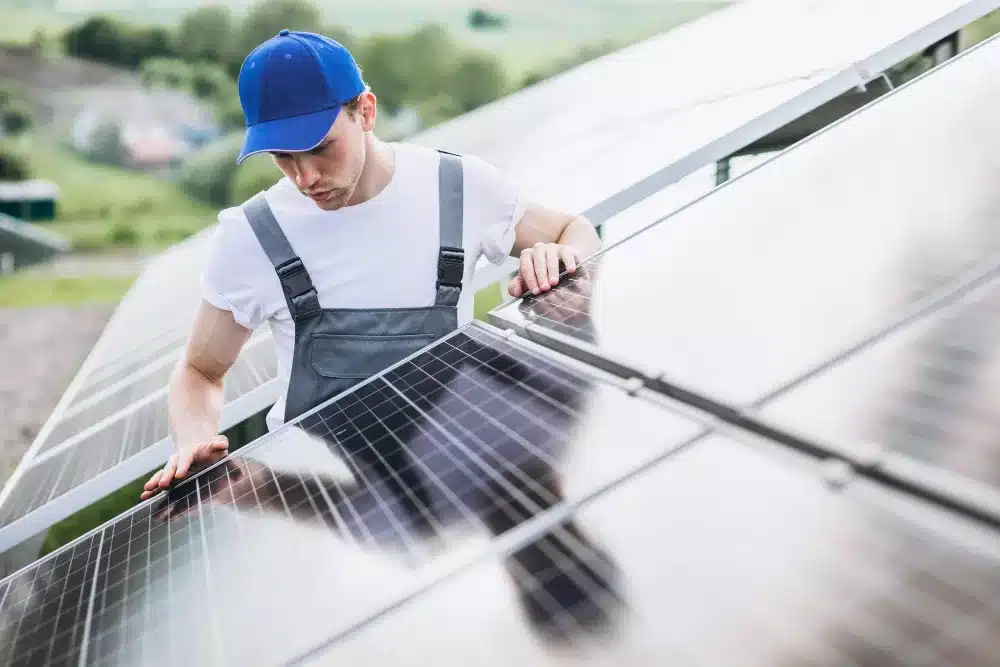
VI. Maintenance and Upkeep of Solar Panels for Homes
Solar panels require very little maintenance, but it is important to keep them clean and functioning properly in order to maximize their efficiency. In this section, we will discuss the maintenance and upkeep required for solar panel systems.
A. Cleaning solar panels
Cleaning solar panels regularly is essential to their performance. Dirt, dust, and other debris can reduce the efficiency of the panels, so it is important to clean them regularly, especially in areas with high levels of pollution.
B. Monitoring the performance of the system
It is also important to regularly monitor the performance of the solar panel system to ensure that it is functioning properly. This can include checking the output of the panels, monitoring the inverter, and checking the wiring for any signs of damage.
C. Repair and replacement
If any problems do arise, it is important to address them promptly in order to maintain the performance of the system. Some common issues that may require repair or replacement include damaged panels, faulty inverters, and wiring problems.
D. Warranty and insurance
Finally, it is important to consider the warranty and insurance coverage for your solar panel system. Most systems come with a warranty, but it is important to understand the terms of the warranty and what it covers in case of any issues or problems. Additionally, many homeowners opt to purchase insurance coverage for their solar panels to protect their investments.


