

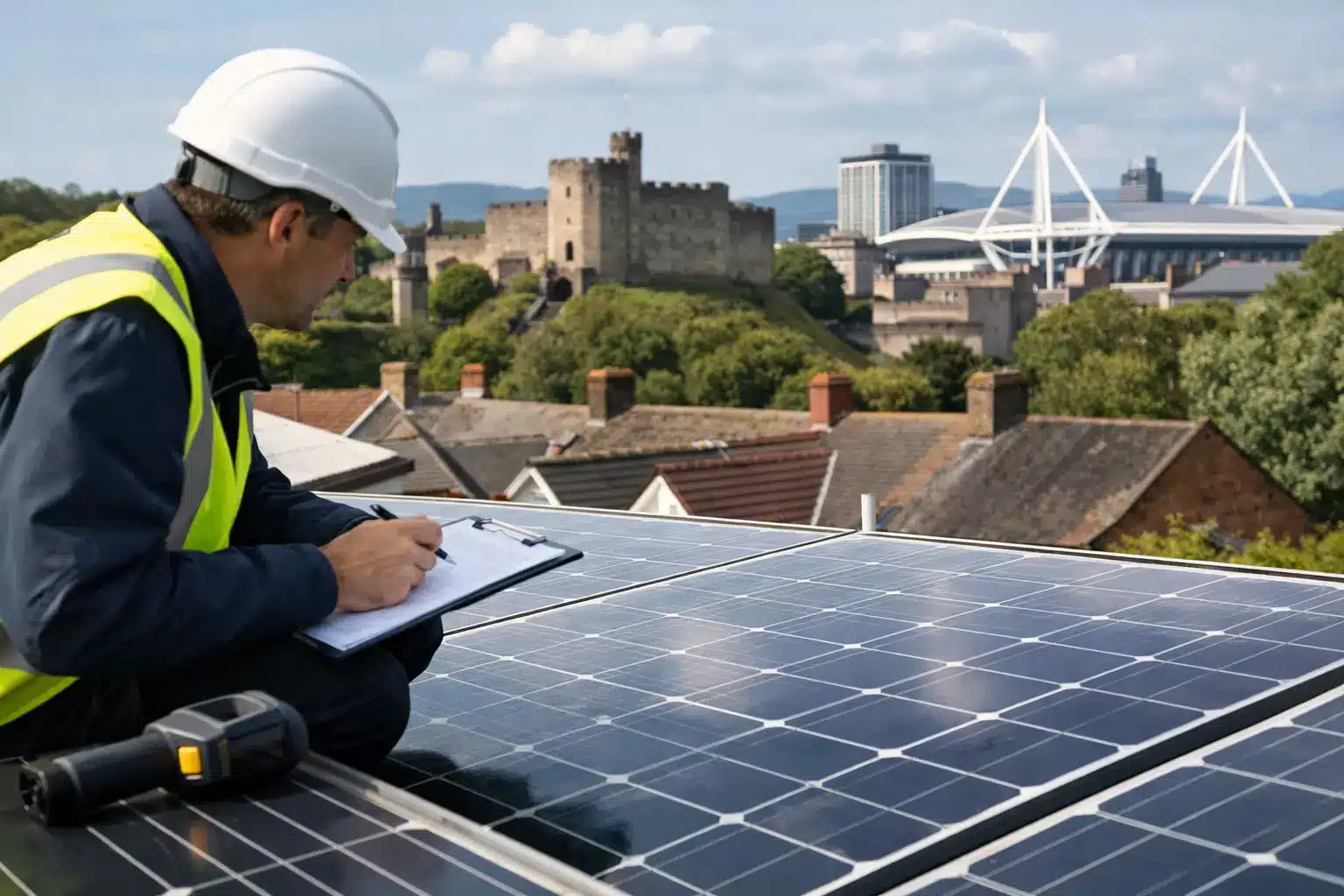
A solar quote can look attractive on screen, but your roof decides whether the proposed system will perform as promised. That is why solar surveys Cardiff households arrange before committing are so valuable. A proper survey turns an early estimate into a design based on your property, your electricity use and the practical realities of installation.
For most homes and businesses, it is the point at which the right questions get answered: Will the roof support the panels? Is shade likely to reduce output? Where will the inverter and battery go? And are the predicted savings realistic? Getting these details right early helps avoid unwelcome changes to price, system size or installation dates later on.
What happens during a solar survey?
A survey is a detailed assessment carried out before an installer finalises a solar proposal. Some initial quotes can be prepared remotely using satellite imagery, photos and the information you provide. This is useful for a quick indication of likely costs and potential generation, particularly when comparing installer options.
However, a site visit gives the installer the confidence to confirm what is actually possible. They will inspect the roof, take measurements, consider access and identify anything that could affect the design. For commercial sites, the assessment may also include a closer look at electrical demand, the building structure and operational requirements.
The aim is not to make the process complicated. It is to ensure the system is designed for your property rather than fitted to a generic template.
Your roof condition and construction
Panels and mounting equipment are designed to last for decades, so the roof beneath them needs to be in good condition. An installer will look for slipped tiles, signs of water ingress, ageing materials or areas that may need repair before work begins.
They will also confirm the roof type and pitch. Slate, concrete tile, clay tile, standing seam metal and flat roofs can all be suitable for solar, but they need different fixing methods. A flat roof often requires a tilted mounting system, for example, while a pitched roof may allow panels to sit close to the existing surface.
If a roof is nearing the end of its life, reroofing first can be the sensible choice. Removing and refitting panels later is possible, but it adds cost and disruption. A trustworthy installer should explain that trade-off plainly rather than push ahead with a system that may need moving in a few years.
Orientation, shade and available space
South-facing roofs are often associated with solar, but east- and west-facing roofs can work very well too. An east-west layout may generate electricity more evenly across the morning and afternoon, which can suit households that use power before and after work. The best option depends on the available roof space and when you use energy.
Shade is just as significant. Nearby trees, chimneys, dormers and neighbouring buildings can all affect output at certain times of day or year. Cardiff’s mix of terraced streets, suburban homes and newer developments means no two roofs should be treated as identical.
The survey should assess whether shade affects the whole array or only part of it. Where appropriate, the installer may recommend a different panel layout or equipment designed to reduce the impact of partial shading. More equipment is not always the best answer, so ask how the recommendation improves performance and whether it justifies the extra cost.
What solar surveys in Cardiff should assess indoors
The roof is only one part of the job. Solar power has to connect safely with your property’s existing electrical system, and this is where an on-site assessment can prevent surprises.
The installer will usually identify the location and condition of your consumer unit, check the route for cabling and discuss where an inverter can be positioned. Inverters need a suitable, accessible location, often in a loft, garage, utility room or another protected area. They produce a small amount of operational noise, so placement should be considered carefully.
If you are considering battery storage, the survey should also cover the proposed battery location. Space, ventilation, access and fire-safety requirements all matter. A battery can help you use more of the solar electricity generated at home, especially in the evening, but its value depends on your consumption pattern, tariff and desired level of energy independence.
For businesses, the survey should examine when electricity is used during the working day. A workshop, office, retail unit and hospitality venue can have very different load profiles. A well-matched system prioritises the electricity you can use on site, rather than relying solely on projections of exported power.
Questions worth asking before accepting a quote
A good survey should leave you clearer, not overwhelmed. You do not need to become a solar expert, but you should understand the key assumptions behind the proposal.
Ask the installer how much roof area is being used, what assumptions have been made about shade and what annual generation is predicted. It is also sensible to ask which panel, inverter and battery models have been specified, what warranties apply and whether scaffolding, electrical upgrades and monitoring are included in the price.
If you receive several proposals, compare more than the headline total. One quote may include a larger system, higher-output panels, a battery or more complex access work. Another may appear cheaper because essential items have not yet been allowed for. Like-for-like comparison is the fairest way to judge value.
You should also confirm that the installer is MCS-accredited where this is required for your project and can provide the appropriate certification after installation. Accreditation is a meaningful quality marker, but it should sit alongside clear communication, a detailed design and confidence that the team understands your property.
Common issues a survey can uncover
Most surveys confirm that a straightforward installation is possible. When an issue is identified, finding it before work starts is a positive outcome. It allows the project to be priced and planned accurately.
Typical findings include a roof repair that should be completed first, limited loft access, a consumer unit requiring improvement, restricted space for a battery or a cable route that needs additional work. Properties with difficult access may need specialist scaffolding arrangements, while listed buildings and homes in conservation areas can need extra checks before installation. Planning requirements can vary, so an installer should advise on the position for your particular property rather than make assumptions.
These factors do not automatically rule solar out. They may affect the layout, timescale or budget. The right response is a revised proposal that explains the reason for each change and gives you time to decide.
How to prepare for your survey
A little preparation helps the visit run smoothly. If possible, have recent electricity bills available, as these help the installer understand annual usage and current energy costs. It is useful to mention planned changes too, such as an electric vehicle, heat pump, extension or a household member working from home. Each could increase demand and influence the recommended system size.
Make the loft, garage, utility space and consumer unit accessible where safe to do so. If you know of past roof repairs, electrical work or access restrictions, share them upfront. Clear information allows an installer to provide a more accurate recommendation and reduces the chance of additions appearing after you have accepted a quote.
For anyone comparing providers, Solar Planet can simplify the first step by connecting you with up to four trusted local installers. You can compare proposed systems, prices and service levels without spending hours searching for individual firms, then use the survey stage to make sure the preferred design is right for your home or business.
A survey is where confidence begins
The best solar installation is not necessarily the one with the most panels or the lowest first price. It is the one that fits the building, matches how you use electricity and is installed by qualified professionals who explain the choices clearly.
Before agreeing to any system, give the survey the attention it deserves. A careful assessment gives you a firmer basis for comparing quotes and a better chance of enjoying dependable generation and lower electricity bills for years to come.

