If your solar panels generate most of their electricity at midday, but your home uses the most power in the morning and evening, the gap is obvious. Battery storage for solar panels is designed to close that gap, helping you keep more of the electricity you generate rather than sending it back to the grid for less value.
For many households and businesses, that is the real appeal. Solar on its own can cut bills, but adding a battery can make your system far more useful day to day. It gives you more control over when you use your own power, and that matters when electricity prices remain unpredictable.
What battery storage for solar panels actually does
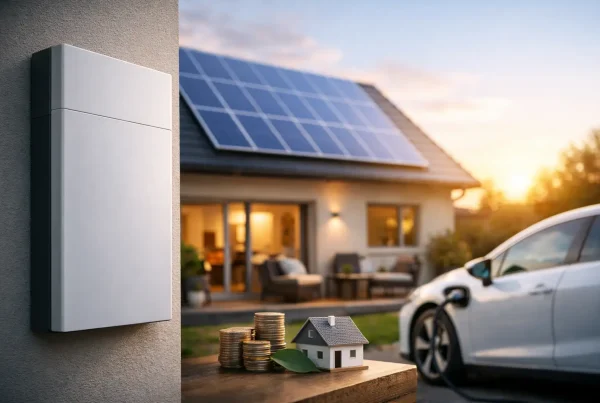
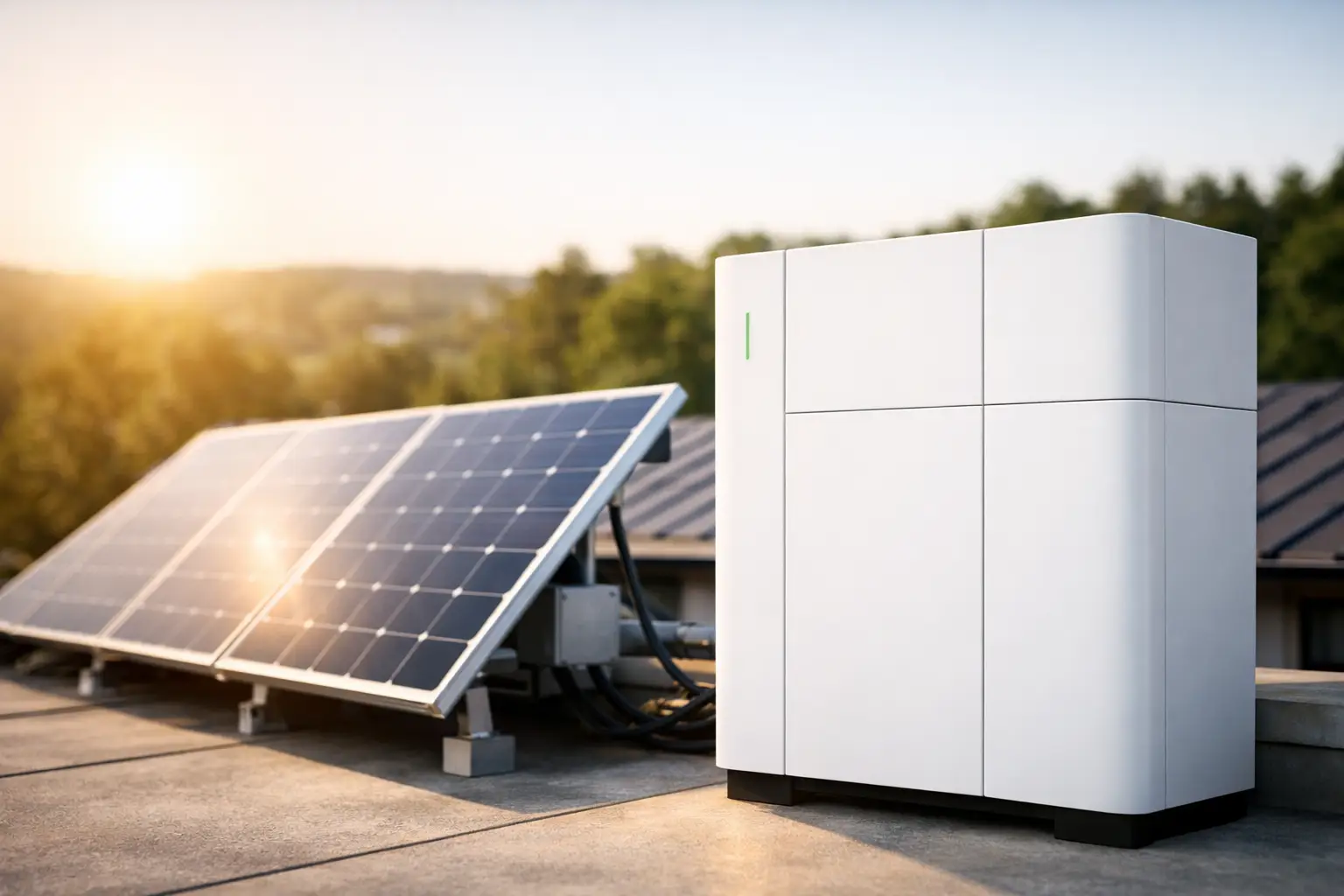
A solar battery stores surplus electricity generated by your panels during the day. Instead of exporting all that unused power to the grid, the battery holds it for later, usually for the evening when demand at the property rises.
That sounds simple, and in practice it is. On a sunny afternoon, your solar system may produce more than your lights, appliances or business equipment need. The battery charges up. Later, when the panels are producing less or nothing at all, the battery discharges and supplies stored electricity back into the property.
The result is a higher level of self-consumption. In plain terms, you use more of your own solar energy and buy less from your supplier. That is usually the main financial reason people consider adding a battery.
Why more property owners are adding a battery
The strongest case for battery storage is not that it turns solar into a completely off-grid setup. For most people, it does not. The value is that it reduces waste, increases independence and helps you make better use of the system you have already invested in.
If you are out during the day, a battery often makes more sense than if someone is at home using appliances throughout sunlight hours. A household with school runs, office commutes and heavier evening usage may export a lot of daytime generation without a battery. The same applies to some commercial sites that shut early but still have overnight loads such as refrigeration, lighting or security systems.
There is also the reassurance factor. Some battery systems can provide backup power during a power cut, though not all do. That feature depends on the battery and inverter setup, so it is something worth checking before you assume it is included.
Is battery storage for solar panels worth the cost?
This is where the honest answer is, it depends. A battery can improve the return on your solar setup, but it is not automatically the right choice for every property.
The homes and businesses that tend to benefit most are those with healthy solar generation, meaningful evening electricity use and a desire to reduce reliance on grid power. If you already export a fair amount of solar electricity during the day, a battery may help you use more of it yourself. If your daytime usage is already high, the extra savings may be smaller.
Battery size matters as well. Bigger is not always better. An oversized battery can cost more than the extra savings justify, especially if your panels cannot regularly fill it. A battery that is too small, on the other hand, may empty quickly and limit the benefit.
There is also the question of tariffs. Some properties can gain additional value by charging a battery at off-peak grid rates and using that electricity later when rates are higher. That can improve the economics, but it depends on your supplier and how your system is configured.
How much battery capacity do you need?
This is one of the most common questions, and it should be based on usage patterns, not guesswork. Installers will usually look at your current electricity consumption, when you use power, and the expected output of your solar array.
A smaller household may only need enough storage to cover evening lighting, cooking, television and device charging. A larger family home with electric heating support, heavier appliance use or EV charging may need a different approach. For commercial premises, the answer depends on operational hours and the type of equipment in use.
A good installer should not simply recommend the largest unit available. They should assess how much energy you are likely to store on a typical day, how quickly you are likely to use it, and whether future changes such as an electric vehicle or heat pump are likely to increase demand.
Retrofitting a battery to an existing solar system
If you already have solar panels, you may not need to start again. Many battery systems can be added to an existing installation, which is good news for homeowners who installed panels years ago and now want to improve performance.
That said, compatibility matters. Your current inverter, panel setup and meter arrangement may affect what type of battery can be fitted and how efficiently it will work. In some cases, adding battery storage is straightforward. In others, extra equipment may be needed.
This is one reason accredited advice matters. A proper assessment can tell you whether a retrofit is practical, what your likely savings are, and whether your current setup is holding you back.
What to look for in a battery system
Price matters, but it should not be the only thing driving the decision. Battery systems vary in usable capacity, warranty length, charging efficiency, cycle life and software controls. The cheapest option is not always the best value over time.
It is worth paying attention to how much of the stated capacity is actually usable. Some batteries advertise a headline size, but the practical usable amount is lower. Warranty terms are also important. A long warranty can be reassuring, but it should be read alongside the guaranteed performance level over that period.
Smart controls are another useful feature. Better systems can manage charging and discharging more intelligently, especially where time-of-use tariffs are involved. That can help stretch savings further without requiring constant manual input from the property owner.
Installation quality matters as much as the battery
A well-specified battery can still disappoint if the installation is poor. This is not just about performance. It is about safety, compliance and long-term reliability.
That is why many property owners prefer to compare quotes from vetted, MCS-accredited installers rather than chase the first low price they see. A professional installer should explain the trade-offs clearly, check whether your existing solar system is suitable, and recommend a setup that matches your usage rather than overselling unnecessary capacity.
For customers in places such as Cardiff, Newport, Swansea or Bristol, local knowledge can be helpful too. Installers working regularly in the area often understand common property types, roof setups and grid considerations, which can make the process smoother.
Common misconceptions about solar batteries
One common misunderstanding is that a battery means free electricity at all times. It does not. A battery stores a limited amount of energy, and once it is empty, you still draw from the grid as normal.
Another is that every battery provides backup during a blackout. Many do not unless that function is specifically designed into the system. If backup power is important to you, that should be discussed from the start.
There is also a tendency to assume payback is instant. In reality, battery economics are improving, but the savings build over time. The best results come from matching the system properly to the property and choosing an installer who is transparent about what the numbers do and do not support.
Is now a good time to invest?
For many people, yes, but not because every battery is a bargain. It is a good time because energy awareness is higher, solar technology is well established, and more households want a practical way to use more of what they generate.
If you are already planning solar panels, adding battery storage at the same time can be efficient and convenient. If you already have panels, a retrofit may still be worthwhile, particularly if you are exporting a lot of daytime electricity.
The key is to avoid one-size-fits-all advice. A battery should fit your property, your routine and your priorities. Some buyers want the quickest possible payback. Others value energy independence, backup potential or better use of their renewable system. All are valid reasons, but they lead to slightly different choices.
The right next step is not guessing from a brochure or picking the biggest unit online. It is getting clear, comparable advice from qualified installers who can assess what will genuinely work for your property. A well-matched battery should make your solar system feel more useful every single day, and that is usually where the real value shows up.