Pulling onto the drive and plugging in overnight is the point where EV ownership starts to feel easy. That is why home EV charger installation matters so much. It is not just about adding a charging point – it is about making daily charging cheaper, safer and far more convenient than relying on public units.
For most households, the process is simpler than expected, but there are a few decisions that shape the result. The right charger, the right installer and a proper look at your property setup all make a difference. Get those right, and you end up with a system that suits your car, your electricity tariff and the way you actually use your home.
What home EV charger installation usually involves
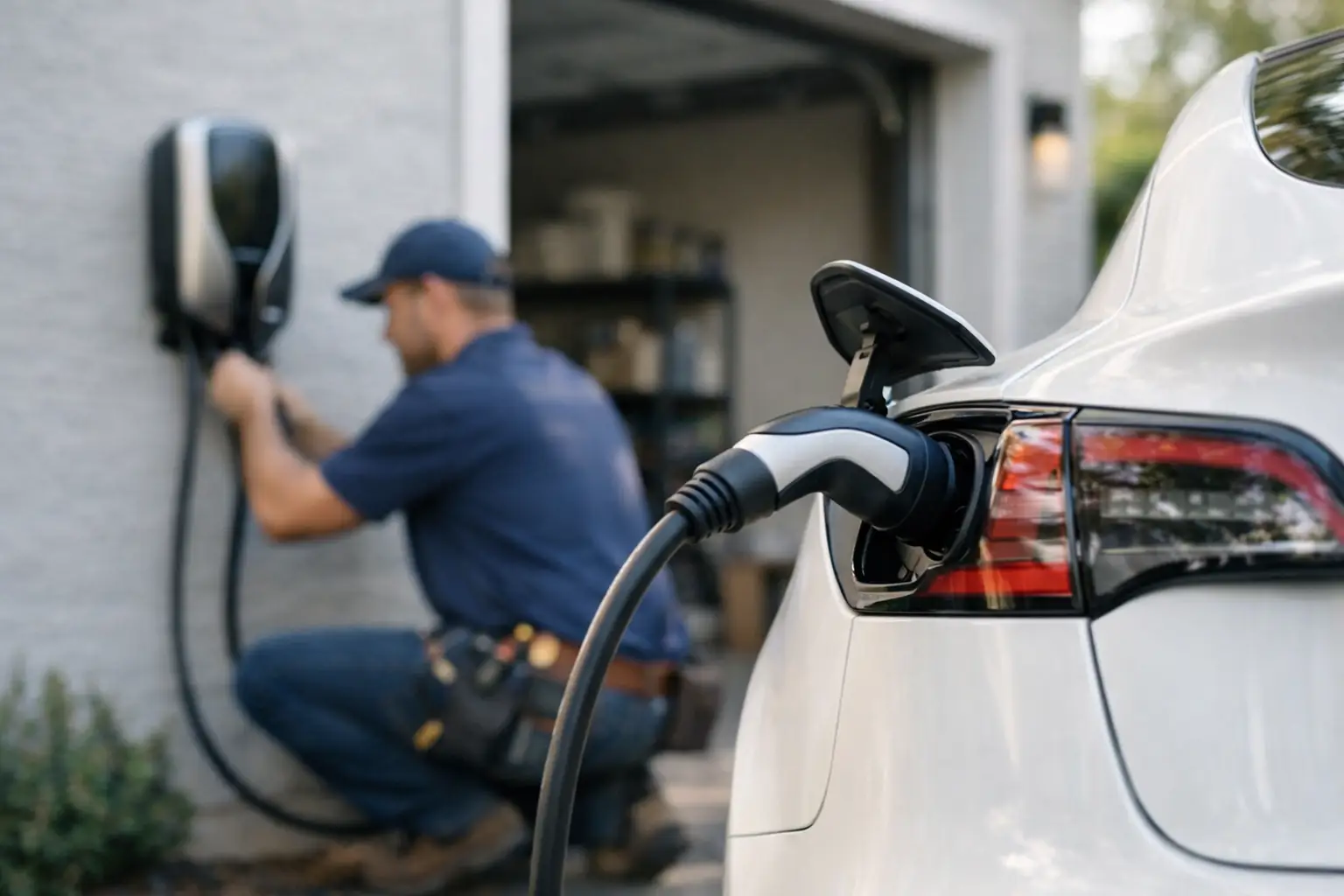
A typical home EV charger installation starts with a survey of your property and your electrical supply. The installer will look at where the charger can go, how far it is from the consumer unit, whether cable runs are straightforward, and whether there is a suitable place to park and plug in safely.
In many cases, the charger is fitted on an outside wall close to the driveway. If your parking space is further away, or access is awkward, installation is still often possible, but the work may take longer and cost more. Longer cable runs, digging, wall drilling or upgrades to electrical components can all affect the final quote.
The installer will also check your main fuse, earthing arrangement and overall electrical capacity. This is one of the main reasons to use a properly accredited professional rather than treating it as a simple add-on. EV charging places a sustained load on your electrical system, so safety and compliance are not optional extras.
Choosing the right charger for your home
Not every household needs the same charger. A 7kW unit is the standard choice for most UK homes because it offers a good balance between charging speed and compatibility with single-phase domestic electricity supplies. For many drivers, that is more than enough to recharge the car overnight.
Some homes and commercial sites may consider faster options, but faster is not always better. It depends on your power supply, your vehicle and your daily mileage. If your car sits on the drive for ten hours each night, a standard charger is often the sensible option.
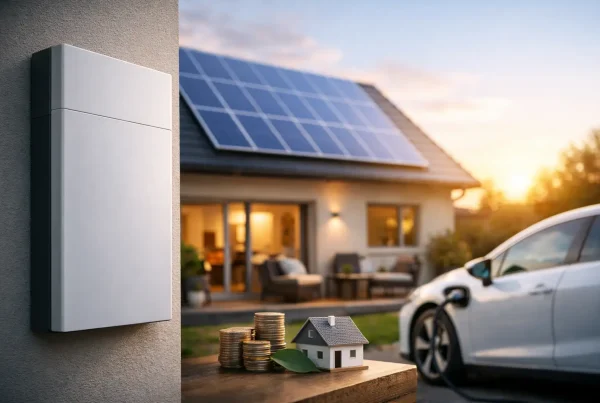
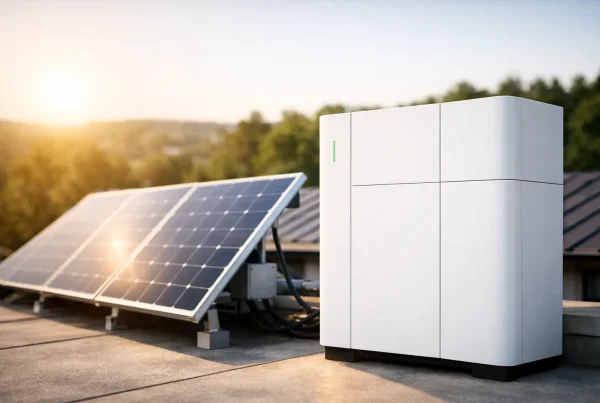
Smart features are worth paying attention to. Many modern chargers let you schedule charging for off-peak hours, track energy use through an app and sometimes integrate with solar panels or battery storage. If you already have solar, or plan to install it later, this can be especially valuable. A charger that works well with surplus solar generation can help you get more from the electricity you produce at home.
How much home EV charger installation costs
Cost is usually the first practical question, and the honest answer is that it depends. A straightforward installation is naturally cheaper than one with complex cable routes, limited access or electrical upgrades. The charger itself also affects price, especially if you choose a model with advanced smart controls or solar compatibility.
The best way to think about cost is in two parts: equipment and installation. Some quotes look competitive until you realise key items are excluded, such as cable beyond a basic allowance, protective components or groundwork. That is why clear, itemised quotes matter.
It is also worth comparing the installation cost against long-term savings. Charging at home is usually cheaper than using rapid public chargers, especially if you take advantage of off-peak tariffs. Over time, a well-chosen charger can save both money and hassle.
Why accredited installers matter
Home EV charger installation is one of those jobs where the cheapest option is not always the best value. You need confidence that the work is safe, compliant and carried out by someone who understands current standards.
Using vetted, accredited installers reduces the risk of poor workmanship and avoidable problems later. That matters even more if you are comparing several quotes and trying to work out why prices differ. A professional installer should be able to explain what is included, what assumptions the quote is based on and whether your home needs any additional work.
This is where a service that compares trusted local providers can save time. Rather than ringing around and trying to judge contractors one by one, you can review multiple options from installers who have already been screened. For homeowners in Cardiff, Newport, Swansea and Bristol, local knowledge can also help when properties have awkward access, older electrics or parking arrangements that need a practical solution.
What can affect installation time
A standard installation can often be completed in a few hours, but not every job is standard. If the charger is close to the consumer unit, the wall is easy to access and the electrical setup is straightforward, the process is usually quick.
Delays tend to happen when the property needs extra electrical work or when the desired charger position is a long distance from the supply. Terraced housing, detached garages and shared parking areas can all introduce complications. None of these automatically rules out installation, but they do mean planning matters.
If you are buying an EV soon, it is sensible to arrange quotes early rather than waiting until the car arrives. That gives you time to compare options properly instead of making a rushed decision.
Common questions homeowners ask before installation
Can I install an EV charger if I do not have a driveway?
Sometimes, but it depends on where your car is parked and whether cables can be run safely and legally. If your vehicle is parked on the street rather than on private land, a home charger is often much less practical. An installer can tell you quickly whether your setup is viable.
Will my consumer unit need upgrading?
Not always. Many homes are ready for a charger without major changes. However, some properties need additional protective devices or updates to meet current requirements. This is a normal part of the assessment, not a sign that anything has gone badly wrong.
Is a smart charger worth it?
For most households, yes. Smart charging can help lower running costs by shifting charging to cheaper periods. It can also make energy use easier to monitor, which is useful if you are trying to reduce overall household electricity costs.
Home EV charger installation with solar
If you already have solar panels, home EV charger installation becomes even more attractive. Instead of sending surplus daytime generation back to the grid, you may be able to direct some of that electricity into your vehicle. The exact benefit depends on when you are at home, how much solar your system produces and whether your charger supports solar integration.
There is a trade-off, though. Many drivers charge overnight because that is when the car is parked for longest and electricity can be cheapest. Solar generation happens during the day. For some households, especially those working from home, solar charging is a great fit. For others, off-peak overnight charging still delivers better value. The right setup depends on your routine, not just the technology.
How to compare quotes without getting overwhelmed
When reviewing quotes, look beyond the headline price. Check charger brand and model, charging speed, warranty, cable allowance, any electrical upgrades and whether the installer has allowed for the real conditions at your property. A quote that seems higher may include work another provider has left out.
It helps to ask a few plain questions. Is the charger suitable for your vehicle? Can it work with a time-of-use tariff? Is it ready for future solar or battery integration? What happens if the installer finds your existing electrics need extra work? Clear answers now usually mean fewer surprises later.
This is exactly why many people prefer to compare several installer quotes in one place. It makes it easier to judge value, not just cost, and gives you a better sense of what a fair price looks like.
Getting the best result from your charger
Once your charger is installed, a few small choices can improve day-to-day use. Setting charging schedules around cheaper tariffs is the obvious one. Keeping the cable route practical and tidy also matters more than people expect, especially on dark winter evenings when convenience really counts.
If you are planning other upgrades, such as solar panels or battery storage, it is worth mentioning that early. A joined-up approach can help avoid repeat work and make sure each part of your energy setup works well with the others.
A good home charging setup should feel simple after the first day. If the charger is in the right place, the app is easy to use and the installation has been done properly, it becomes part of the routine almost immediately. That is the real value of getting home EV charger installation right – less friction, lower running costs and more confidence every time you plug in.
If you are weighing up your options, the smart next step is to compare quotes from trusted, accredited installers and choose the setup that fits your home rather than forcing your home to fit the charger.