

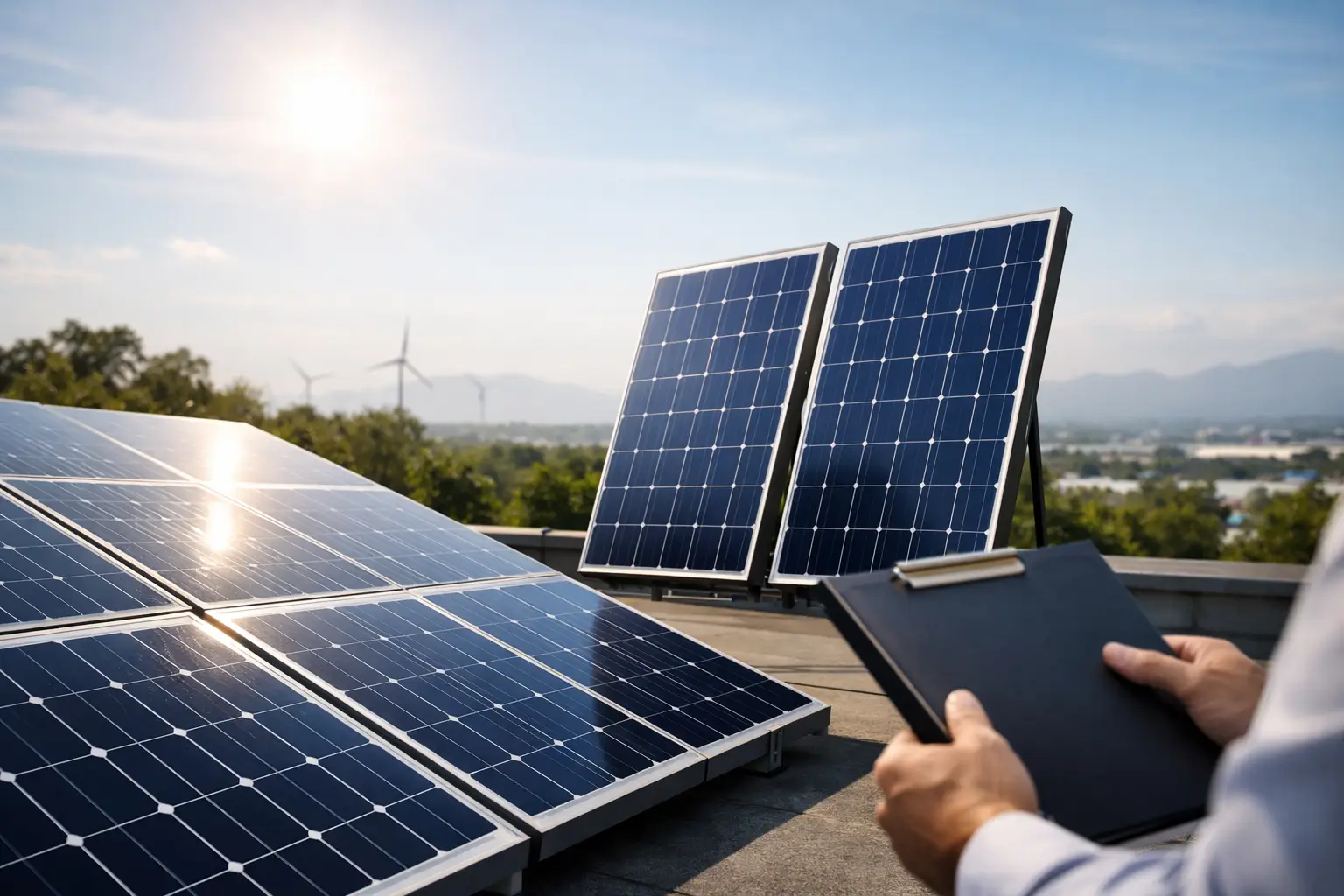
If you are comparing panel brands, a proper trina solar panels review should answer one thing first – are you buying dependable long-term performance, or just a familiar name at a tempting price? For most UK homeowners and business owners, that balance matters more than lab figures alone.
Trina Solar has built a strong reputation as a mainstream manufacturer with global scale, and that usually counts for something in solar. Buyers want a panel brand that is established, widely installed and likely to still be around if they ever need support years down the line. Trina generally ticks those boxes, but that does not automatically make it the best fit for every roof.
Trina solar panels review: the short verdict
Trina Solar panels are usually a solid choice for people who want reliable output, decent efficiency and sensible pricing from a well-known manufacturer. They tend to sit in the middle ground of the market – not the cheapest option on every quote, but often better value than premium-priced panels that only offer small gains on paper.
That makes them especially appealing if you want a practical return on investment rather than a badge-led purchase. If your roof space is tight and you need the very highest efficiency available, there may be stronger premium options. If your priority is simply the lowest upfront cost, there may also be cheaper brands. Trina often works best for buyers who want reassurance without overspending.
What Trina Solar is known for
Trina Solar is one of the larger names in the global solar market, and scale matters here. Bigger manufacturers typically have broader product testing, stronger supply chains and a longer track record across different climates and installation types. For homeowners, that can translate into confidence. For commercial buyers, it can also help when consistency across larger projects is important.
In the UK, Trina panels are commonly specified by installers because they are familiar, bankable and generally straightforward to source. That matters more than many people realise. A good panel from a brand your installer knows well can be a better outcome than a niche model with excellent headline specs but patchier availability or support.
Performance in real UK conditions
Solar panels are rarely judged in perfect sunshine, especially in Britain. What matters is how they perform across mixed weather, cooler temperatures and changing light levels through the year.
Trina panels generally perform well in UK conditions. Like many modern monocrystalline panels, they are designed to deliver strong output even when sunshine is not constant all day. That does not mean miracles on dark winter afternoons, but it does mean they are a credible option for homes and businesses looking to reduce electricity bills over the full year rather than just during summer.
Panel output will still depend heavily on your roof orientation, pitch, shading and system design. A south-facing roof in Cardiff with minimal shade is a very different proposition from an east-west roof in Bristol with nearby trees or chimneys. That is why brand review articles are useful, but they should never replace a site-specific quotation.
Efficiency and power ratings
Trina offers a range of panel models, and exact figures vary by product line. In general, you can expect competitive modern wattages and efficiencies that suit standard residential and commercial projects well.
For many buyers, the key question is whether Trina gives enough power per panel to make good use of available roof space. In most cases, yes. If you have a typical semi-detached home, detached property or small commercial roof, Trina’s current range is usually more than capable of delivering a worthwhile system size.
Where it becomes more of a comparison exercise is on smaller or awkward roofs. If every panel position matters, another manufacturer may edge ahead on efficiency by a small margin. Whether that difference justifies a higher system cost depends on your budget and how much generation you need.
Is higher efficiency always worth paying for?
Not necessarily. A slightly more efficient premium panel can be the right move if roof space is limited or electricity use is very high. But if you have enough roof area already, a competitively priced Trina system may deliver better overall value.
That is one of the most common trade-offs in solar. The best panel on paper is not always the best purchase in practice.
Build quality and reliability
Trina’s reputation is generally positive when it comes to reliability. Installers often favour brands they know will give consistent results and fewer headaches after fitting, and Trina has earned its place on many approved product lists for that reason.
No manufacturer is entirely immune from isolated product issues, and it would be unrealistic to suggest otherwise. What matters is the broader pattern, and Trina has a long enough history in the market to give buyers some reassurance. For most households and businesses, the bigger risk is not choosing a catastrophic panel brand, but choosing an installer who sizes or fits the system badly.
That point is worth stressing. Even excellent panels underperform if the system design is poor, the inverter is mismatched, or shading has been ignored. Panel brand matters, but installation quality matters just as much.
Warranty and long-term confidence
Any trina solar panels review should look closely at warranty terms, because solar is a long-term investment. Trina typically offers both a product warranty and a performance warranty, which is standard for reputable manufacturers.
The product warranty covers defects in the panel itself for a set period, while the performance warranty outlines how much output the panel should retain over time. This is useful, but buyers should read warranties realistically. A long warranty is reassuring, but the practical value depends on the manufacturer’s stability, the installation quality and the clarity of the claim process.
In simple terms, Trina’s warranty position is in line with what many buyers would expect from a credible tier of manufacturer. It supports the view that the brand is a safe, mainstream choice rather than a bargain-basement gamble.
How Trina compares on price
Trina is often competitive on price, and that is a big part of its appeal. It tends to sit in a value sweet spot where buyers can access a recognised brand without stepping into the higher pricing often attached to premium names.
That said, panel cost is only one part of the full quote. The inverter, mounting system, labour, scaffolding, bird protection, battery storage and aftercare can all affect value. Two quotes using Trina panels can still differ significantly in quality and price depending on who is installing them.
For that reason, it makes sense to compare complete system proposals rather than focusing too narrowly on panel branding. A fair quote from a vetted, MCS-accredited installer can be worth far more than a cheap headline price paired with weak workmanship or vague after-sales support.
Are Trina panels a good fit for UK homes?
For many homes, yes. Trina panels are a strong fit for buyers who want dependable performance, recognised brand strength and reasonable pricing. They are especially well suited to households trying to cut grid reliance without turning the buying process into a technical research project.
They can also pair well with battery storage if your goal is to hold on to more of your daytime generation for evening use. That can be attractive for families out during the day, or for anyone concerned about rising electricity tariffs.
If you live in South Wales or the South West, where weather patterns can change quickly, it makes even more sense to focus on the overall system design and installer standards rather than chasing one standout spec. The panel is part of the solution, not the whole solution.
Are Trina panels suitable for commercial properties?
Often, yes. Commercial buyers usually care about return on investment, predictable generation and manufacturer credibility. Trina’s market position makes it a sensible option for offices, retail units, warehouses and other business premises where dependable output matters more than buying the most expensive module available.
For larger projects, your installer may compare Trina against other established commercial-grade panel options based on stock availability, roof loading, layout and expected payback. In that context, Trina is frequently shortlisted because it is trusted and cost-effective.
When Trina might not be the best choice
Trina is not automatically the right answer for every project. If you have a very small roof and need maximum efficiency from every panel, a premium brand may offer a stronger solution. If aesthetics are a major concern, such as on a highly visible front-facing roof, another model may suit the look of the property better.
There are also buyers who simply want the longest possible product warranty available on the market, even if it means paying more. That is a valid choice. Solar is not one-size-fits-all, and a good installer should explain the trade-offs clearly rather than pushing a single brand as the universal winner.
Final thought
Trina Solar panels are a credible, dependable option for buyers who want sensible value and a brand with real market presence. They are not about hype. They are about giving most homes and many businesses a strong, practical route into solar without paying over the odds. If you are weighing up quotes, the smartest next step is not just asking whether Trina is good – it is asking whether the full system around those panels is well designed, fairly priced and fitted by an installer you can trust.

