A solar quote can look excellent on paper, then fall apart once someone actually steps onto your roof. Access issues, shading from nearby buildings, older wiring, planning considerations and even the condition of the tiles can all change what is realistic. That is one of the biggest benefits of using local solar installers – they tend to spot the practical details earlier, which gives you a clearer idea of cost, timescales and likely performance from the start.
For homeowners and businesses, that matters just as much as the headline price. Solar is a long-term investment, and the installer you choose can affect everything from system design to aftercare. While larger national firms may have wider name recognition, local installers often offer a level of knowledge, responsiveness and accountability that is hard to match.
Why the benefits of using local solar installers matter
When you are comparing solar companies, it is easy to focus on panel brands, battery sizes and projected savings. Those are all worth checking, but the installation company itself plays a major role in how smoothly the project runs. A well-matched local installer is more likely to understand the housing stock, grid connection realities and common site challenges in your area.
In places such as Cardiff, Newport, Swansea and Bristol, properties can vary enormously within a short distance. A terraced house, a newer estate home, a rural commercial unit and a coastal property all present different installation considerations. An installer who works nearby every week is usually better placed to design around those variables than a company trying to manage jobs from further afield.
Faster surveys and a quicker route to installation
One of the most practical advantages of staying local is speed. If an installer already covers your area regularly, arranging a site survey is often easier. There is less travel time to build into the process, and fewer delays caused by stretched regional scheduling.
That can make a real difference when energy bills are high and you want to move quickly. It also helps when a survey throws up questions that need a second visit or a quick check before finalising the quote. A local team can usually respond faster, which keeps your project moving instead of leaving it stuck between departments.
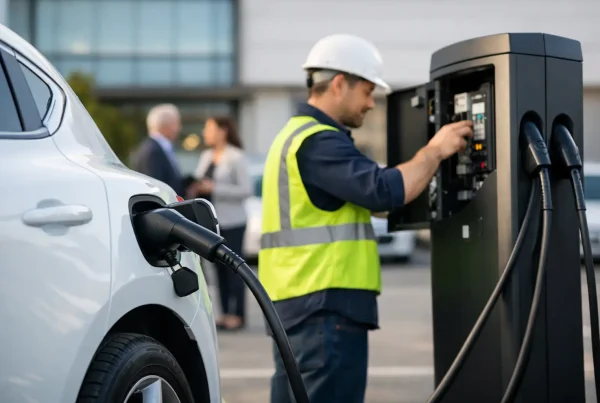
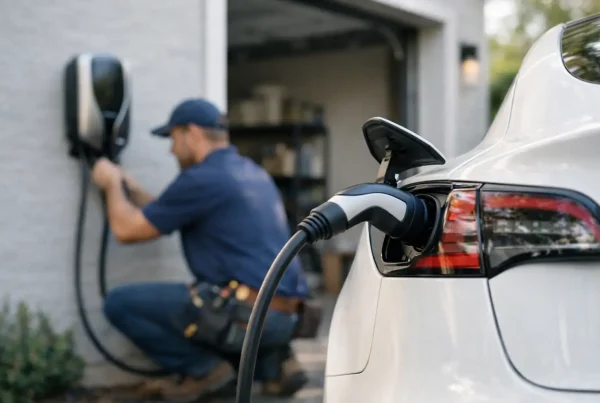
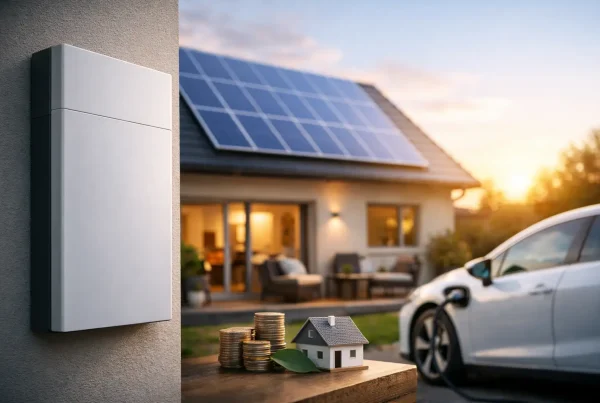
This is especially useful if you are also considering battery storage, an EV charger or future maintenance. Local support tends to feel more accessible because it is more accessible.
More accurate quotes from better local knowledge
Solar pricing should never be guesswork. The most useful quote is not always the cheapest one first time round – it is the one that properly reflects your property, your usage and the work required.
Local installers often produce more grounded recommendations because they know the area. They may already understand common roof types, local planning expectations or grid-related issues that affect certain streets or business parks. That experience can reduce the risk of a quote being revised later because something obvious was missed.
There is an important trade-off here. A national provider may sometimes offer stronger buying power on equipment, which can help on price. But if the proposal is too generic, any saving can disappear once extras or changes are added. Good local installers are often better at pricing the real job rather than the ideal version of it.
Easier communication and a more accountable service
Most people are not installing solar often enough to know exactly what questions to ask. You should not need to chase constantly just to understand what is happening, when scaffolding is due, or whether your generation figures look right.
That is where local service can stand out. Smaller regional installers often rely heavily on reputation, referrals and repeat business in the communities they serve. Because of that, they usually have a strong incentive to communicate clearly and deal with problems properly.
If something needs checking after installation, you are also not dealing with a distant call centre trying to route your enquiry through several layers. You are more likely to speak to someone who knows the area, understands the original job and can arrange support without unnecessary delay.
That does not mean every local installer is excellent and every national company is difficult. It depends on the business. But when a firm works close to home, accountability tends to be more visible.
Better aftercare, maintenance and long-term support
Solar is not a fit-and-forget purchase in every case. Systems may need occasional checks, inverter replacements over time, battery troubleshooting, monitoring support or repairs after storms and roof work. If you add an EV charger or expand the system later, having an installer nearby becomes even more valuable.
This is one of the long-term benefits of using local solar installers that people sometimes underestimate. The initial installation is only one part of the journey. The real value often shows up years later, when you want prompt help from a team that can still support the system they fitted.
For businesses, this matters even more. Downtime, performance issues or delayed maintenance can affect operating costs and planning. A reliable local installer can help minimise disruption and keep the system working as expected.
Local installers often understand regional regulations and property types
Solar is straightforward on many properties, but not every installation is identical. Conservation considerations, roof orientation, nearby trees, older electrics and commercial building layouts can all influence what is feasible.
Installers with local experience tend to have a better feel for these practical details. In South Wales and nearby areas, for example, the mix of older housing, coastal weather exposure and varied commercial premises means no single design approach suits every job. Someone familiar with the region can often identify likely issues before they become expensive surprises.
That local awareness can also help with realistic performance expectations. Instead of relying on broad assumptions, an installer who knows the area can give advice shaped by actual conditions and similar recent projects.
Trust matters more when the work is on your roof
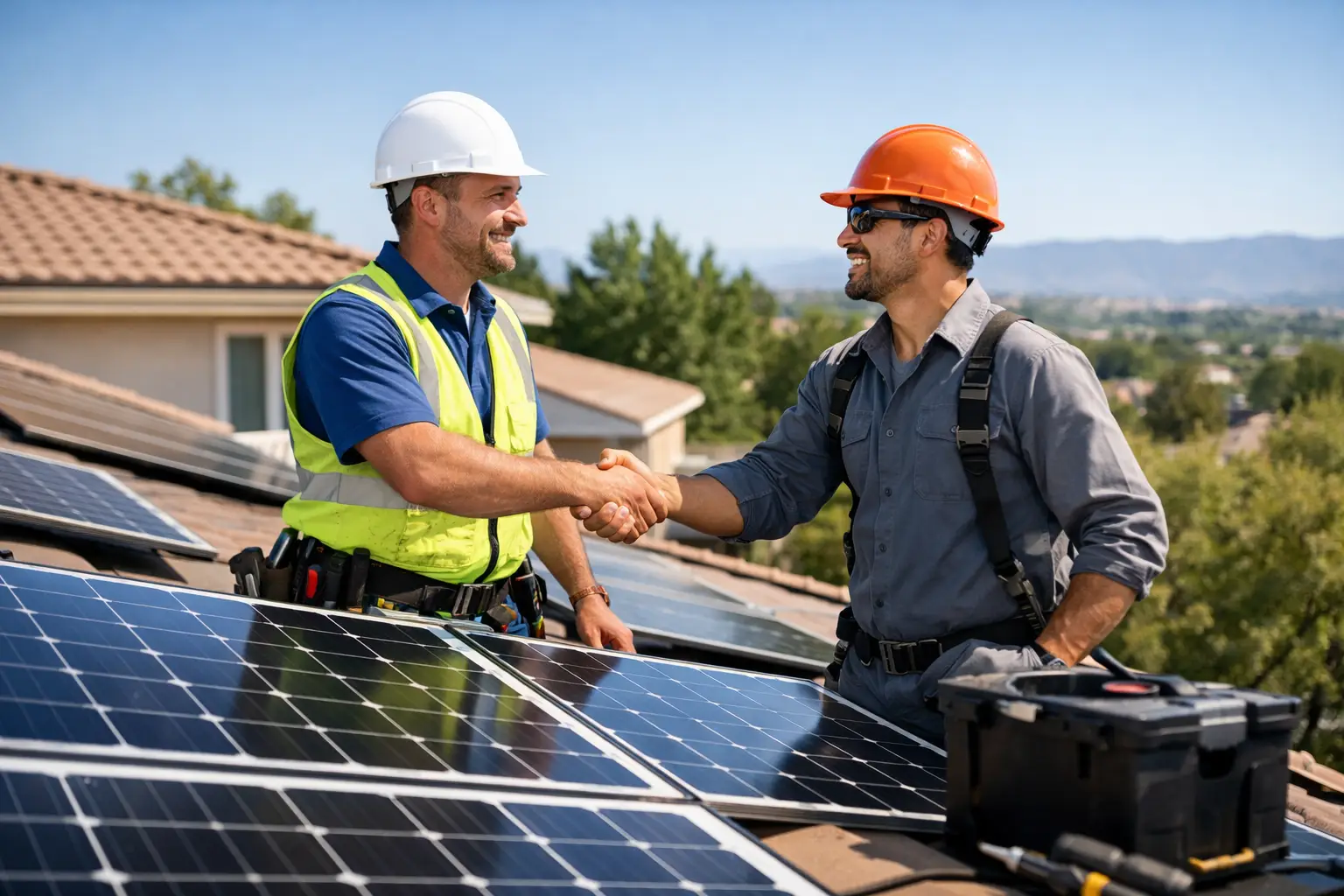
Solar is a high-value home improvement and an electrical installation. It is worth being selective. Local firms often build trust through visible work in the area, word of mouth and a track record that can be checked more easily.
Of course, local alone is not enough. Accreditation and standards still matter. You should always look for properly vetted professionals, including MCS-accredited installers where relevant, because that supports quality assurance and gives added confidence in the installation process.
The strongest option is usually not just a local company, but a qualified local company with proven standards and clear aftercare. That combination gives you the reassurance of nearby support without compromising on technical credibility.
Comparison becomes easier when local options are vetted properly
One challenge with choosing a local installer is that the market can feel fragmented. You may find several companies serving your area, but comparing them fairly takes time. Not every quote uses the same assumptions, and not every provider offers the same standard of workmanship or support.
That is why many customers prefer a simpler route – getting matched with multiple trusted local installers rather than researching each one alone. When the comparison process is organised properly, you keep the benefit of local expertise while reducing the hassle of vetting companies from scratch.
For homeowners and business owners who want speed without cutting corners, that balance is often ideal. It allows you to compare prices, equipment options and service levels with more confidence.
Is a local solar installer always the best choice?
Usually, local is a strong advantage, but it is not a guarantee. The best installer for your project depends on experience, accreditation, product quality, responsiveness and the clarity of the proposal. Some larger firms do provide excellent service, and some local firms may be overstretched or inconsistent.
The sensible approach is to compare more than one option and look beyond the headline price. Ask how the system has been designed, what support is included, who carries out the work and how issues are handled after installation. A local installer should be able to answer those questions clearly.
If you are weighing up quotes in Cardiff, Swansea, Newport, Bristol or nearby areas, local knowledge can give you a real advantage – especially when it comes with proper accreditation and straightforward support. That is why services such as Solar Planet focus on connecting customers with trusted local installers rather than pushing a one-size-fits-all solution.
A good solar installation should feel well planned, fairly priced and properly supported after the panels are on the roof. If the company knows your area and stands behind its work, you are already starting from a much stronger position.